
The True Value of Cycling Infrastructure Maintenance
When urban cycling investments are discussed, the spotlight often falls on the creation of new bike lanes and facilities. Grand inaugurations and ribbon-cutting ceremonies dominate the narrative, while the crucial aspect of maintenance often remains in the shadows. However, the state of maintenance of cycling surfaces plays a pivotal role in determining the success or failure of a cycling network.
The Hidden Impact of Maintenance
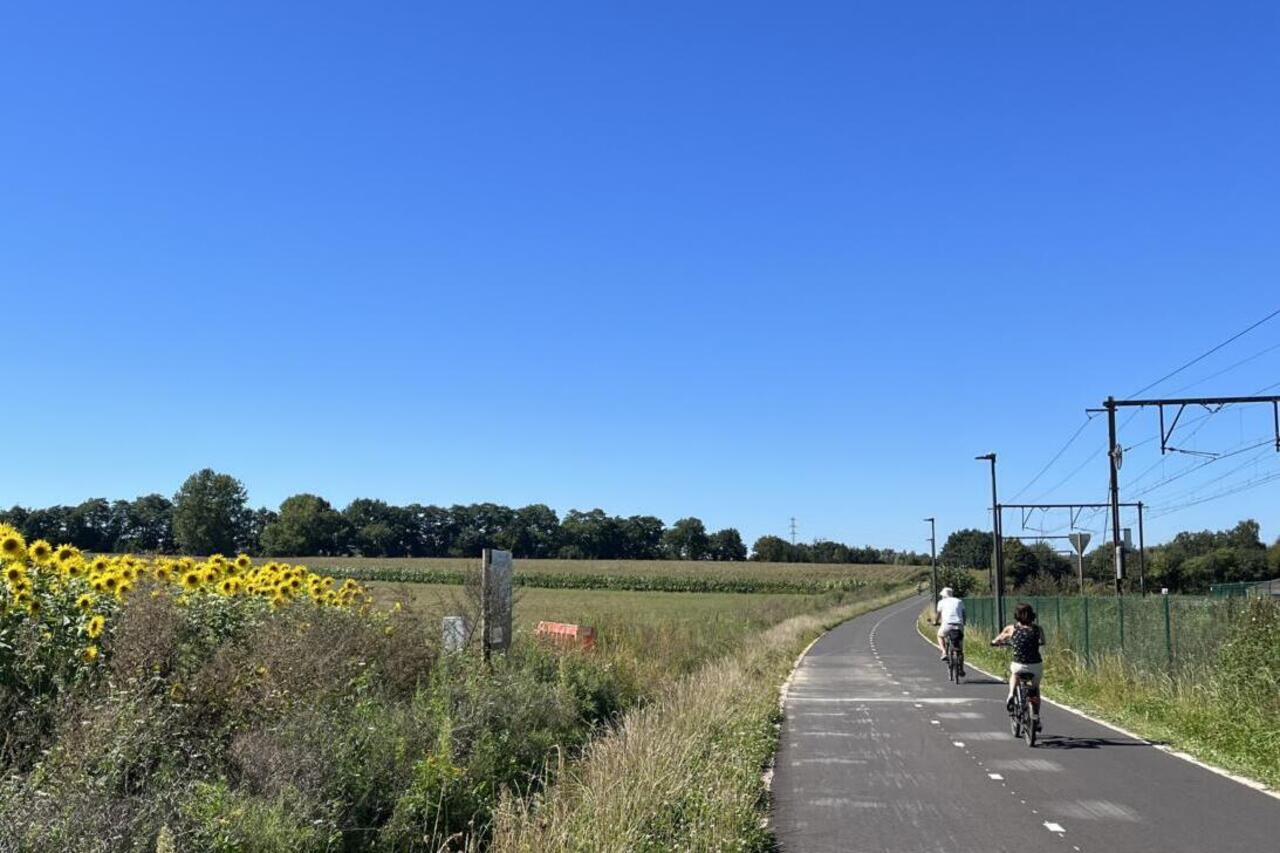
A striking example of this was presented at the Velo-city 2026 conference in Rimini, Italy. The conference highlighted the importance of “delivering the urban dream” through concrete solutions. A comprehensive study on the F24 Supercycle Route in the Flemish Brabant province of Belgium demonstrated that the quality of asphalt and the regularity of the pavement are not mere aesthetic details but are fundamental to increasing daily bicycle usage.
Consequences of Poor Maintenance
Before 2023, the route between Leuven and Tienen was perceived by users as unpleasant, unpaved, and inherently unsafe. Potholes, protruding roots, uneven surfaces, and interruptions forced cyclists into constant evasive maneuvers, drastically reducing comfort and speed. In response to inadequate maintenance, users immediately and rationally chose to stop cycling or divert to alternative routes, often sharing the road with motor vehicles.
The Economic Return of Smooth Surfaces
Public administrations often view routine maintenance of bike lanes as a dispensable expense. However, monitoring data categorically refutes this approach. After a complete overhaul, continuous paving, and the installation of clear signage on the F24, daily cyclist flows increased by 31% to 49% within just two years. This growth wasn’t limited to traditional urban cyclists; there was a significant surge in diverse users, with 71% using e-bikes and 18% using speed pedelecs.
From a social accounting perspective, every euro spent on eliminating vibrations, leveling manholes, and ensuring permeable asphalt generates an immediate economic return. A regular surface reduces the likelihood of solo falls (which constitute a significant portion of urban cycling accidents), lowers maintenance costs for citizens, and standardizes commuting times, making cycling a reliable choice.
Managing Speed Variations
The increase in traffic and the diversification of vehicles, driven by the quality of the road surface, introduces a new urban planning challenge: how to manage the growing tension between fast and slow users on the same asphalt? When infrastructure becomes smooth and efficient, it simultaneously attracts commuters traveling over 25 km/h, e-bike users, and slower urban cyclists. The solution isn’t to compromise the quality of the infrastructure to discourage speed but to design adequate road sections from the outset and plan differentiated maintenance strategies. These should include constant cleaning of leaves, debris, and ice—elements that reduce maneuvering space and increase the perception of danger.
Maintenance as a Political Statement
Drawing a line and forgetting about it is the quickest way to destroy the credibility of sustainable mobility. A dirty, cracked, or constantly flooded bike lane sends a clear message to citizens: cycling is considered a second-class mode of transport. Conversely, investing in systematic maintenance means treating the bike lane on par with a railway line or a highway lane. The results presented at Velo-city 2026 demonstrate that when infrastructure is meticulously cared for, the public’s response is overwhelming: user satisfaction on the F24 reached 86%, and 35% of respondents made a clear modal shift, permanently abandoning private cars for daily commutes. The revolution of daily bicycle mobility doesn’t require miracles; it requires a smooth, obstacle-free surface.
In conclusion, the maintenance of cycling infrastructure is not just a matter of upkeep; it’s a strategic investment that yields significant economic, environmental, and social returns. Cities that prioritize this aspect are not only enhancing the safety and comfort of their cyclists but are also fostering a more sustainable and livable urban environment for all.