
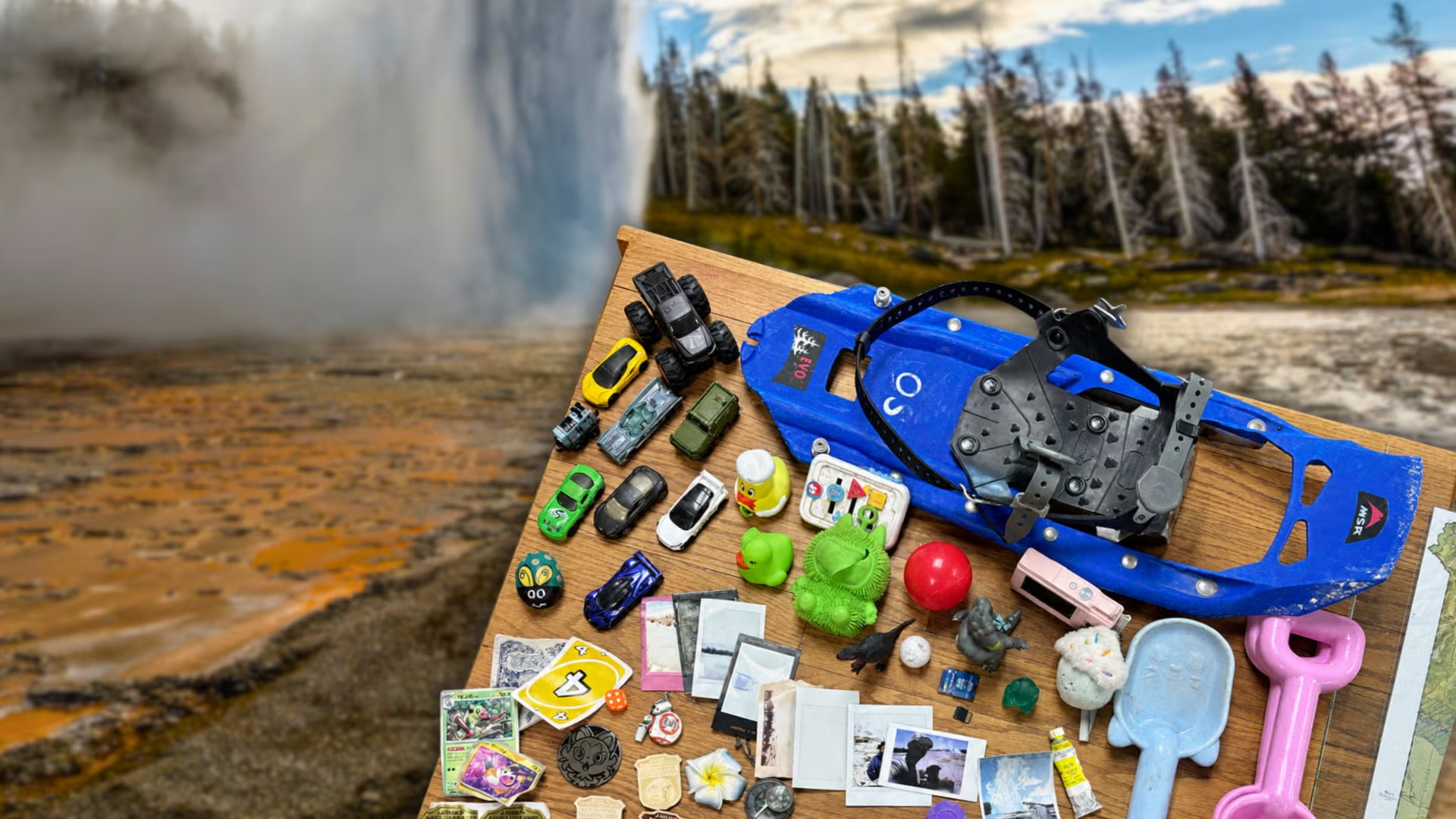
In 2026, Yellowstone National Park’s hydrothermal areas experienced a significant increase in debris accumulation, with over 26,000 items removed—a 50% rise from the previous year. (outsideonline.com) This surge coincided with a record-breaking tourist season, as more than 2.64 million visitors explored the park between January and July. (usgs.gov)
The park’s geology team diligently extracted over 20,100 pieces of trash, 5,600 rocks and sticks, and nearly 300 hats from the hydrothermal features. (usgs.gov) Notable finds included 15 fake fingernails, eight miniature race cars, two rubber ducks, and a 2010 McDonald’s toy. (outsideonline.com)
The accumulation of debris poses significant risks to the park’s delicate ecosystems. Foreign materials can obstruct water flow, alter temperatures, and harm heat-loving microorganisms essential to these environments. In extreme cases, such as the early 20th-century obstruction of Yellowstone’s Minute Geyser, debris has led to diminished and irregular eruptions. (usgs.gov)
To mitigate these issues, park officials emphasize the importance of visitors securing their belongings, especially items susceptible to wind, like hats and scarves. Staying on designated boardwalks and promptly reporting any dropped items to park staff are crucial steps in preserving Yellowstone’s natural beauty. (usgs.gov)
For a visual update on recent hydrothermal activity, including a notable explosion at Biscuit Basin, you can watch the following video:
Another hydrothermal explosion at Biscuit Basin (Yellowstone Monthly Update – June 2026)