
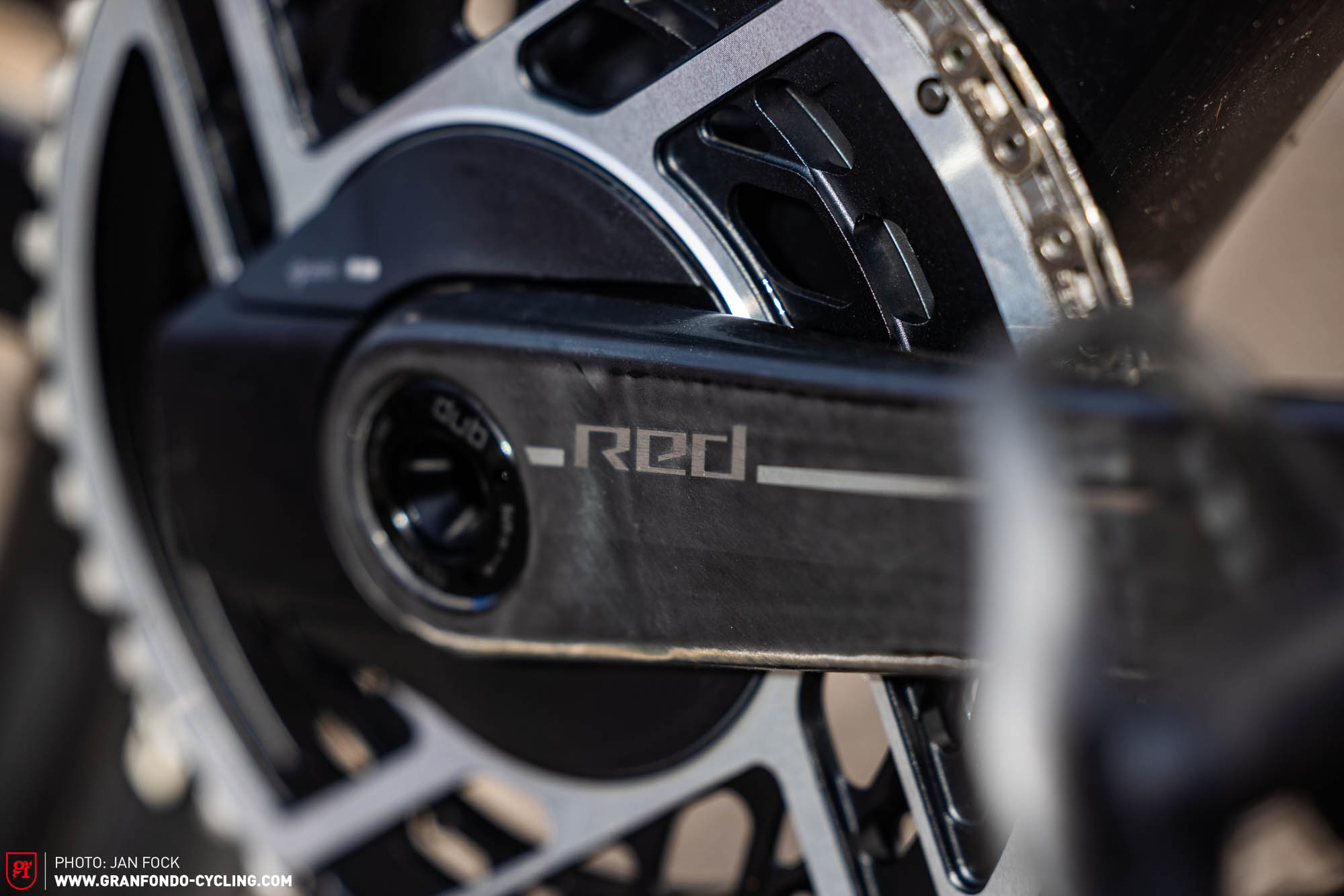
In the realm of high-performance cycling, SRAM’s RED AXS and Rival AXS groupsets stand as prominent contenders, each catering to distinct rider preferences and budgets. While both offer wireless electronic shifting and hydraulic disc brakes, they diverge in materials, weight, and certain features. This analysis delves into the nuances of these groupsets to determine whether the premium RED AXS justifies its higher price point over the more accessible Rival AXS.
Ergonomics and Design
Both groupsets share a similar ergonomic design, with hoods that provide a comfortable grip for riders of various hand sizes. The brake levers on both models are designed for intuitive operation, ensuring riders can maintain control and comfort during extended rides. Notably, the Rival AXS levers have been updated to feature carbon levers, enhancing their feel and performance. (feedthehabit.com)
Shifting Performance
Both RED AXS and Rival AXS deliver precise and reliable shifting. The RED AXS groupset utilizes a machined cassette, which contributes to smoother and quieter gear transitions compared to the stamped steel cassette found in the Rival AXS. This design choice in RED AXS results in a marginally quicker and more refined shifting experience. (granfondo-cycling.com)
Braking System
The braking performance of both groupsets is commendable, offering ample stopping power with excellent modulation. However, RED AXS employs Paceline X rotors, which are more resistant to heat build-up, providing consistent braking performance during prolonged or intense efforts. In contrast, Rival AXS uses standard Paceline rotors, which, while effective, may experience slight performance degradation under similar conditions. (granfondo-cycling.com)
Weight Considerations
A significant distinction between the two groupsets lies in their weight. RED AXS components are crafted from lightweight materials such as carbon and titanium, resulting in a total weight of approximately 2,669 grams. Rival AXS, utilizing aluminum and steel, weighs around 3,176 grams, making it 507 grams heavier. This weight difference is primarily attributed to the crankset and cassette, which are heavier in the Rival AXS. (granfondo-cycling.com)
Durability and Maintenance
Both groupsets are designed for durability, but the choice of materials in RED AXS may offer enhanced longevity and resistance to wear. The carbon and titanium components in RED AXS are more resilient and less prone to corrosion compared to the aluminum and steel parts in Rival AXS. Additionally, RED AXS features an integrated power meter with a spider-based design, which is more accurate and easier to maintain than the spindle-based power meter found in Rival AXS. (support.sram.com)
Price Point
The RED AXS groupset is positioned at a premium price tier, reflecting its advanced materials, lighter weight, and enhanced performance features. Rival AXS, on the other hand, offers a more budget-friendly option while still providing reliable performance and many of the features found in higher-end groupsets. This makes Rival AXS an attractive choice for riders seeking quality without the premium price tag. (bikeradar.com)
Conclusion
Both SRAM RED AXS and Rival AXS groupsets offer high-quality performance, with RED AXS providing marginally superior shifting precision, braking consistency, and weight savings due to its use of premium materials. However, these advantages come at a significantly higher cost. Rival AXS delivers a compelling performance-to-price ratio, making it a suitable choice for riders who prioritize value without compromising on essential features. Ultimately, the decision between RED AXS and Rival AXS should be guided by individual performance needs, budget considerations, and personal preferences.