
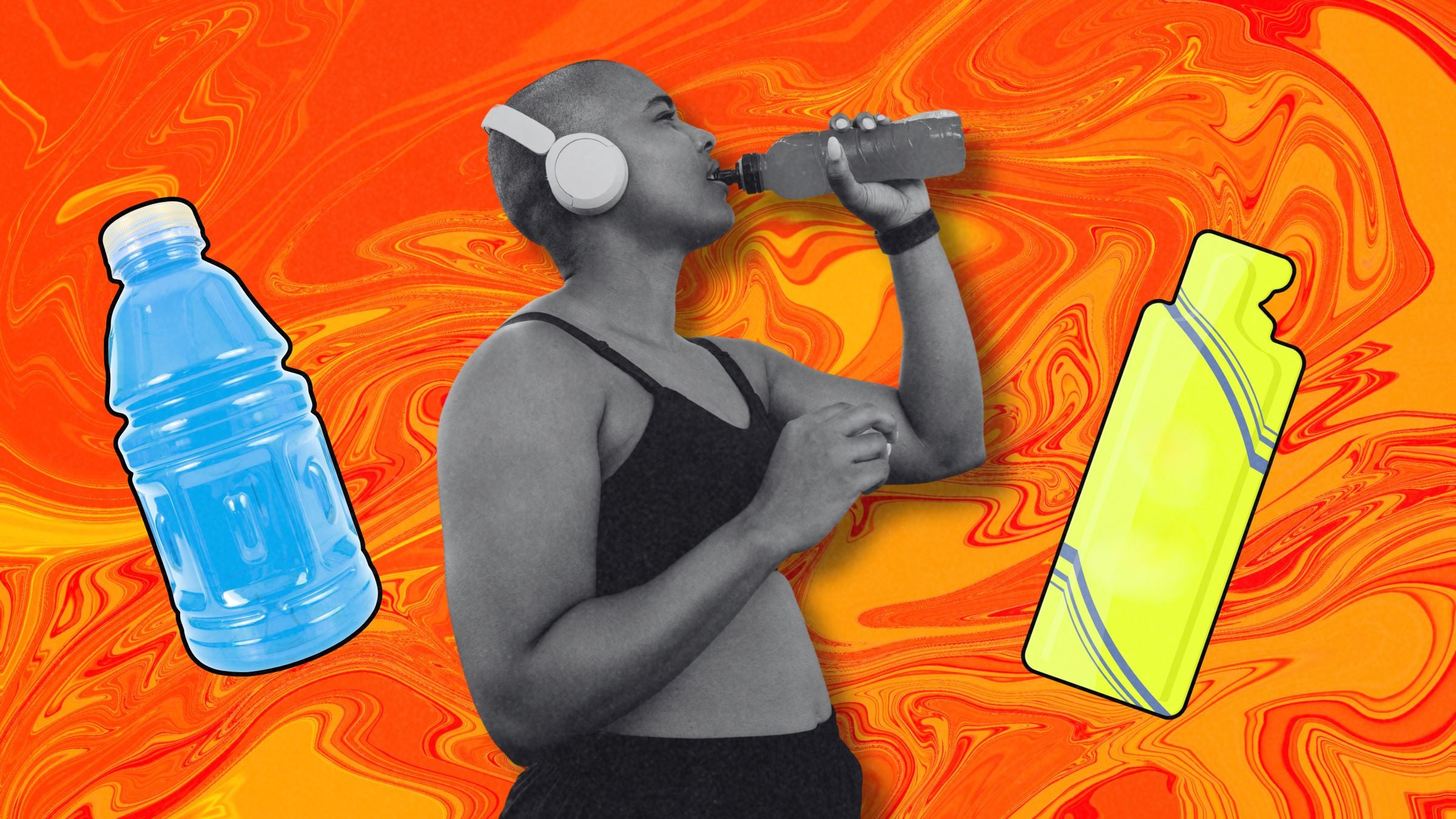
The Impact of Ultraprocessed Sports Foods on Athletic Performance
In the realm of athletic nutrition, the convenience of ultraprocessed sports foods—such as energy gels, electrolyte drinks, and protein bars—has become increasingly prevalent. These products are engineered to deliver rapid energy and essential nutrients, ostensibly enhancing performance and recovery. However, their role in an athlete’s diet warrants a nuanced examination.
Understanding Ultraprocessed Foods
Ultraprocessed foods (UPFs) are items that have undergone extensive industrial processing, incorporating additives like preservatives, emulsifiers, colorings, and flavorings to extend shelf life and improve taste. While these products offer convenience, they often lack the nutritional complexity found in whole foods. (fitnessrec.com)
The Rise of Sports Nutrition
The sports nutrition market has experienced significant growth, with projections estimating a valuation of $52.76 billion by 2026. This expansion is driven by increased participation in fitness activities and a heightened awareness of performance-enhancing nutrition. (worldfoodservicesjournal.com)
Athletes’ Perspectives on Ultraprocessed Sports Foods
A study published in the British Journal of Nutrition explored Australian athletes’ consumption and attitudes toward UPFs. The findings revealed that while nearly all participants consumed these products for convenience, approximately 51% expressed concerns about potential adverse health effects, including negative impacts on gut health and overall well-being. (cambridge.org)
Balancing Convenience with Nutrition
Nutritionist Dr. Emily Jevons emphasizes that the health risks associated with UPFs stem from overconsumption and the displacement of nutrient-rich foods, rather than the processing itself. She advocates for a balanced approach, where whole foods form the foundation of an athlete’s diet, and UPFs are utilized strategically to meet specific performance needs. (cyclingweekly.com)
Conclusion
While ultraprocessed sports foods can offer immediate benefits in terms of energy and convenience, their role in an athlete’s diet should be considered thoughtfully. Prioritizing whole, minimally processed foods ensures a comprehensive nutrient profile, supporting both performance and long-term health. Ultraprocessed products may serve as effective tools when used judiciously, particularly during intense training sessions or competitions, but they should not replace the foundational role of whole foods in an athlete’s nutrition strategy.