
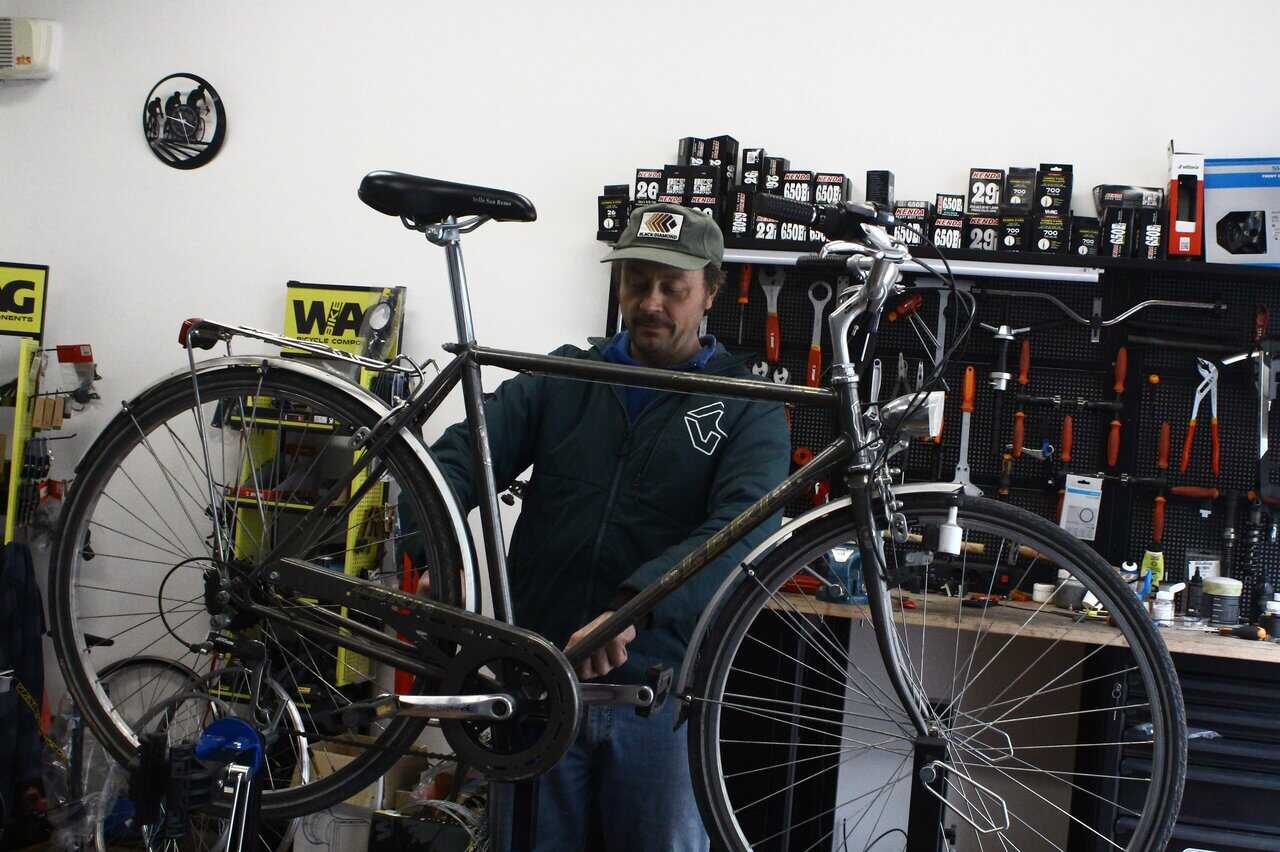
The Decline of Bicycle Shops as Community Hubs: A Global Perspective
The landscape of bicycle retail is undergoing significant transformation, with traditional bike shops increasingly losing their status as central community hubs. This shift is influenced by various factors, including economic challenges, technological advancements, and evolving consumer behaviors.
Economic Pressures and Market Dynamics
In recent years, the bicycle industry has faced economic pressures leading to a decline in the number of traditional bike shops. For instance, in Belgium, the number of bicycle shops decreased by 23 in 2025, while repair centers increased, indicating a shift in consumer preferences towards specialized services. (leva-eu.com)
Similarly, in the United States, the Hub Bike Cooperative in Minneapolis closed both of its locations in 2024 after 22 years of operation. The closure was attributed to a decline in consumer demand, increased competition from online retailers, and reduced profit margins due to lower demand for bicycles post-pandemic. (startribune.com)
Technological Advancements and Changing Consumer Behavior
The rise of e-commerce has significantly impacted traditional bike shops. Consumers increasingly purchase bicycles and parts online, often bypassing local retailers. This trend has been exacerbated by the COVID-19 pandemic, which disrupted supply chains and altered consumer purchasing habits. Many customers now prefer the convenience of online shopping, leading to a decrease in foot traffic to physical stores. (communitycyclingcenter.org)
The Shift Towards Specialized Repair Centers
As traditional bike shops decline, there is a noticeable increase in specialized repair centers. In Belgium, for example, the number of bicycle repair shops rose from 30 in 2023 to 83 by the end of 2025, reflecting a growing demand for maintenance services over retail sales. (leva-eu.com)
The Enduring Role of Community Bike Shops
Despite these challenges, community bike shops continue to play a vital role in promoting cycling culture and providing essential services. Organizations like the Community Cycling Center in Portland, Oregon, have adapted by offering educational programs, refurbishing bicycles for disadvantaged individuals, and fostering a sense of community among cyclists. (en.wikipedia.org)
Conclusion
The decline of traditional bicycle shops as community hubs is a multifaceted issue influenced by economic pressures, technological advancements, and changing consumer behaviors. While the retail landscape evolves, the core mission of supporting and nurturing the cycling community remains paramount. Adaptation and innovation will be key for these establishments to continue serving their communities effectively.