
Rethinking Urban Mobility: Integrating Cyclists into City Design
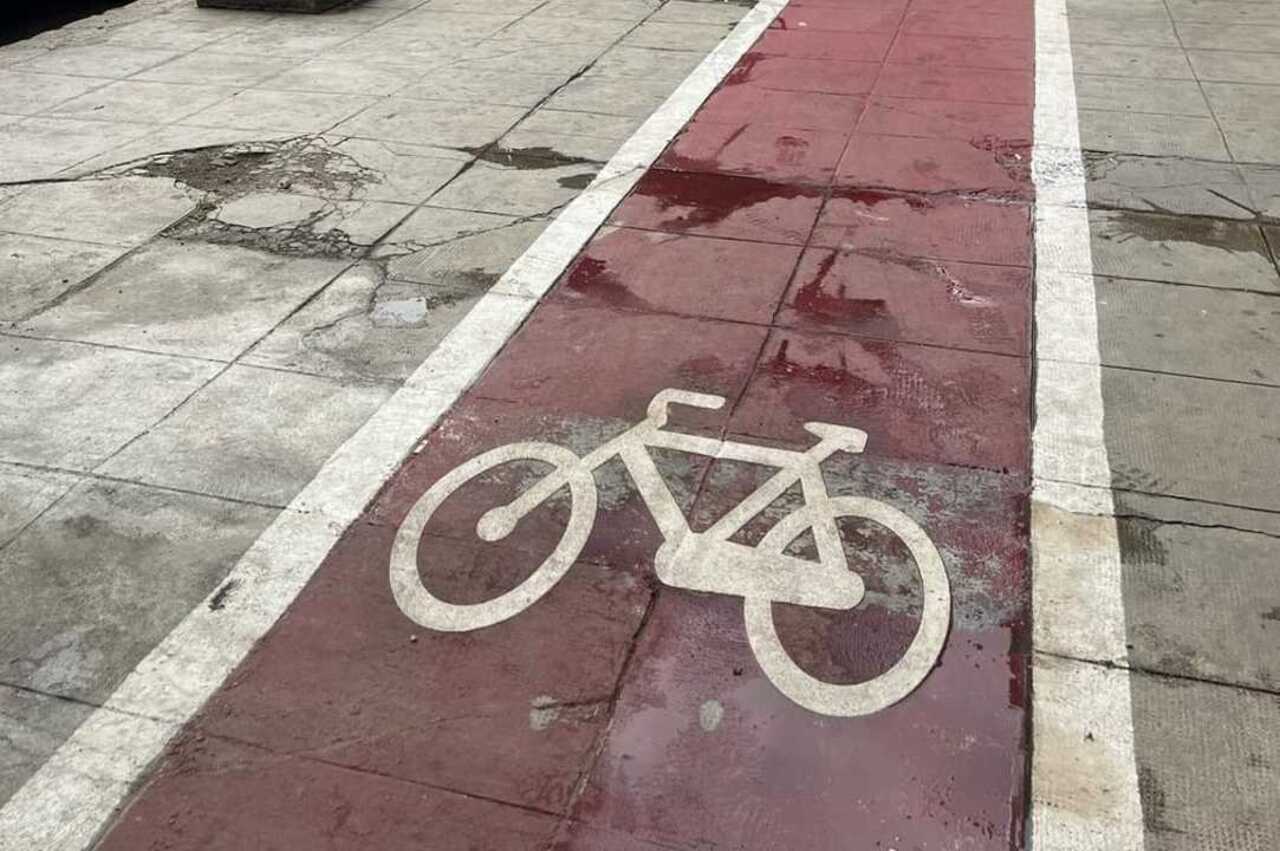
For decades, Italy’s approach to cycling infrastructure has been fundamentally flawed, treating bicycles as intruders to be relegated to sidewalks, convoluted shared paths, or narrow spaces carved out from pedestrian areas. This strategy, ostensibly for protection, reflects a cultural surrender to the dominance of automobiles.
The Velo-city 2026 Conference: A Turning Point
The Velo-city 2026 conference in Rimini underscored the urgent need to redesign urban spaces to prioritize active mobility. The central theme, “Delivering the Urban Dream,” emphasized transforming cities into vibrant, livable environments by integrating cycling into the urban fabric. (velo-city-conference.com)
The Pitfalls of Fragmented Infrastructure
In cities where car-centric norms prevail, the tendency is to fragment cycling infrastructure. Isolated bike lanes, detached from main traffic flows, create “Indian reservations” for cyclists. This approach maintains high vehicular speeds and volumes, perpetuating hostile road environments. Studies presented at Velo-city 2026 reveal that such isolated lanes can even fuel social dissent, as motorists and residents perceive immediate disadvantages—like reduced parking—without recognizing the broader benefits of a connected, safe cycling network. (velo-city-conference.com)
The “Città 30” Model: A Shared and Democratic Road
A transformative urban planning strategy is the “Città 30” model, which sets a 30 km/h speed limit as the urban standard. This approach, highlighted by experts from the Netherlands’ Fietsersbond, demonstrates that moderating vehicle speeds redefines roadways as public spaces accessible to all. In Bologna, implementing this model led to a complete elimination of pedestrian fatalities in the city center, a 49% reduction in overall road mortality, and a 10% increase in daily cycling among residents. (velo-city-conference.com)
Redesigning Streets: Narrowing Lanes, Creating Green Spaces, and “Open Schools”
Effective speed moderation requires supportive road architecture. It’s insufficient to merely post speed limit signs; streets must be designed to physically and psychologically encourage drivers to slow down. Interventions such as visual narrowing of vehicle lanes, raised pedestrian crossings, planters, chicanes, and speed bumps have proven effective. Notably, transforming school access roads into car-free zones or implementing tactical urbanism to highlight the space occupied by private vehicles can visually demonstrate the value of public space. (velo-city-conference.com)
Safety as a Collective Value, Not a Niche Concern
The Scandinavian and Dutch experiences, as discussed by FIAB and ECF during the Rimini conference, emphasize that cycling networks should not be designed “for cyclists” alone. They should represent a comprehensive rethinking of road sections to benefit the entire community. Reducing car dominance decreases noise and air pollution, boosts local businesses, and fosters social interactions. Planning with a focus on the most vulnerable road users leads to cities that are genuinely resilient, healthy, and safe. A road safe for a child on a bicycle is, by definition, a better road for everyone. (velo-city-conference.com)
By embracing these principles, cities can move beyond outdated paradigms, creating urban environments that are safe, inclusive, and conducive to a sustainable future.