
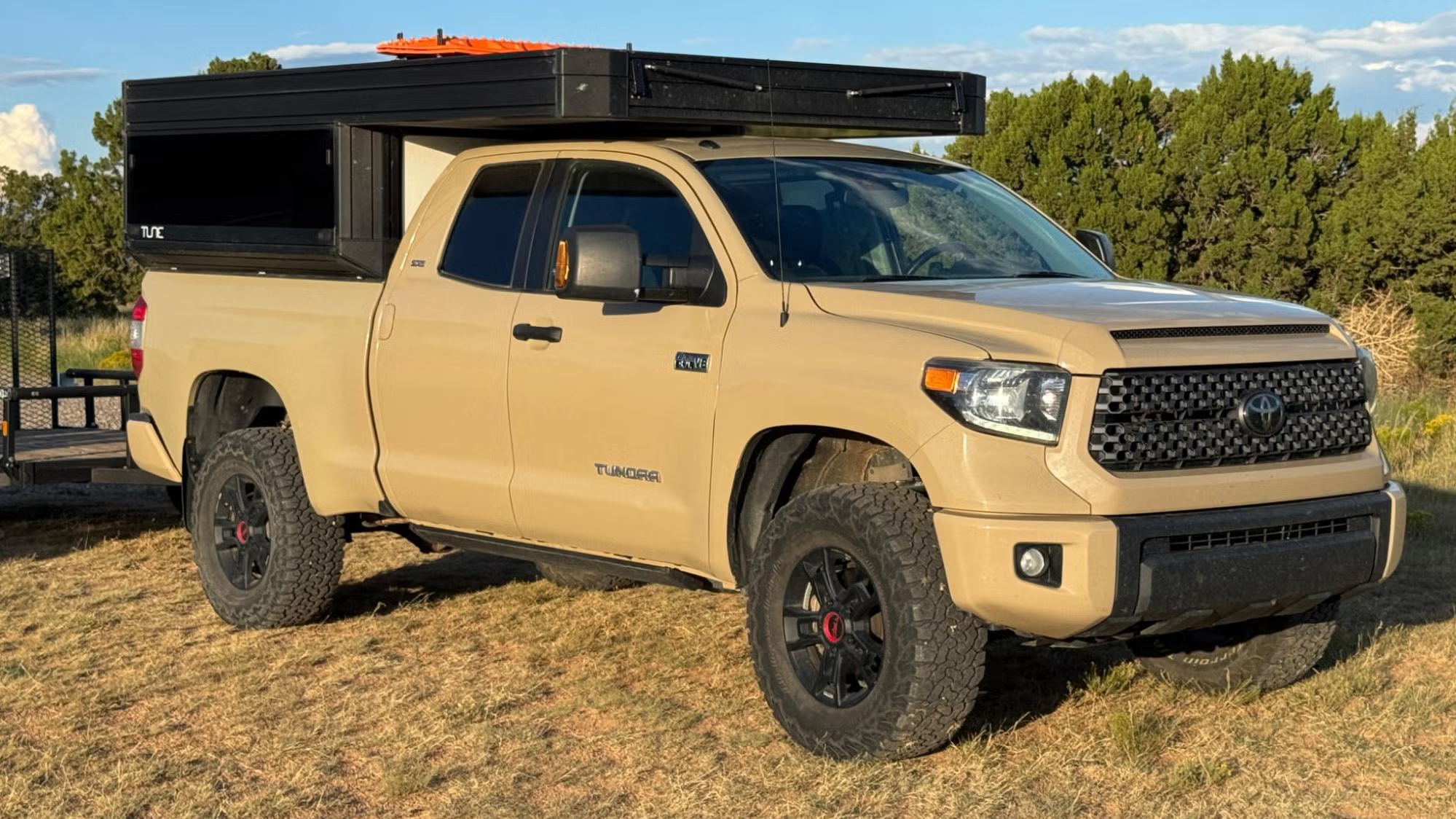
Embarking on the journey to build an overland truck is an exciting endeavor, and one of the first modifications many enthusiasts consider is upgrading the suspension system. A well-chosen suspension upgrade can significantly enhance your vehicle’s off-road performance, but it’s essential to approach this modification with careful consideration to avoid potential pitfalls.
Understanding Suspension Upgrades
Suspension upgrades typically involve installing lift kits and high-performance shocks. A lift kit raises the vehicle’s ride height, providing increased ground clearance and the ability to accommodate larger tires. High-performance shocks, on the other hand, are designed to improve ride quality and handling, especially on rough terrains.
The Risks of Cheap Lift Kits
Opting for inexpensive lift kits can lead to several issues. Many budget-friendly kits consist of spacers placed atop your vehicle’s struts or springs to achieve additional height. While they may offer a quick solution, these kits often fail to enhance wheel travel, leading to a rougher ride and potential handling problems. It’s crucial to recognize that aftermarket companies may not have the resources or engineering expertise to match the designs of Original Equipment Manufacturers (OEMs). Therefore, investing in a quality lift kit from a reputable manufacturer is advisable to ensure safety and performance.
The Impact of Lifting on Vehicle Dynamics
Increasing your vehicle’s ride height by installing a lift kit raises its center of gravity, which can adversely affect handling and aerodynamics. A higher center of gravity increases the risk of rollover and alters the vehicle’s behavior during a crash. Additionally, lifting the vehicle disrupts the airflow beneath it, potentially leading to decreased fuel efficiency and compromised towing and hauling capabilities. It’s essential to weigh these factors carefully before proceeding with a lift.
Maintenance Considerations for High-Performance Shocks
High-end shocks, such as those with external reservoirs and adjustable settings, are designed for optimal off-road performance. However, they often require more maintenance and have shorter service intervals compared to standard shocks. For instance, some high-performance shocks may need to be rebuilt every 20,000 to 30,000 miles, whereas standard shocks typically last over 70,000 miles. This increased maintenance can lead to higher costs and vehicle downtime. Therefore, it’s important to consider whether the performance benefits align with your maintenance capabilities and expectations.
Alternative Suspension Upgrades
For those seeking improved off-road performance without the drawbacks of extensive modifications, alternative suspension upgrades are available. Options like the Bilstein 5100, Old Man Emu (OME) Nitrocharger, or Eibach Pro-Truck shocks offer enhanced ride quality over stock components and are known for their durability and lower maintenance requirements. These upgrades provide a solid balance between performance and longevity, making them suitable for most overlanding needs.
Final Thoughts
When modifying your overland truck, it’s essential to approach suspension upgrades with a clear understanding of the potential impacts on vehicle dynamics, maintenance requirements, and overall performance. Opting for quality components from reputable manufacturers and considering the long-term implications of your modifications will help ensure a safe and enjoyable overlanding experience.