
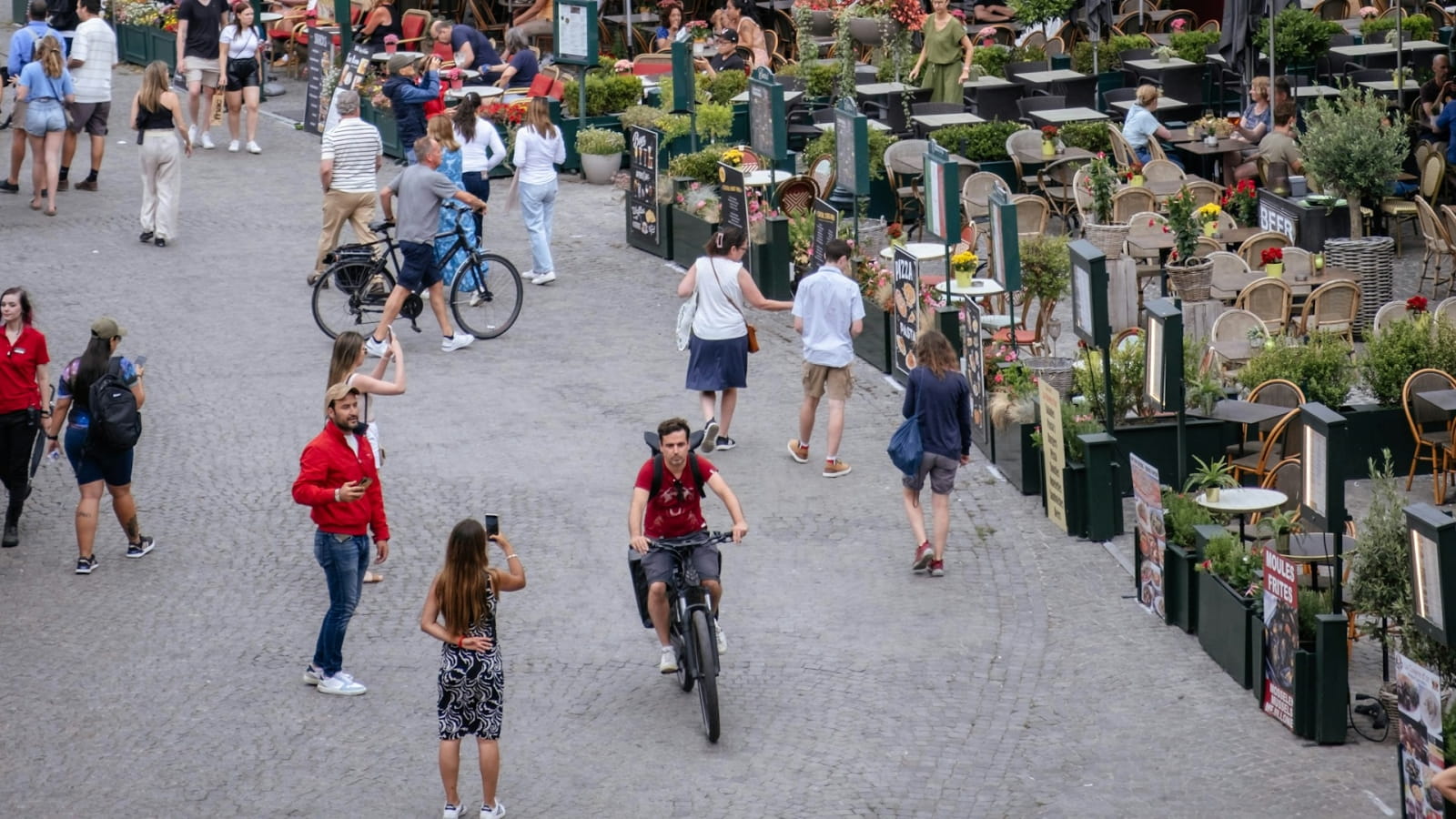
Electric Bicycles Propel Cycling Usage to New Heights in Flanders
In just a decade, the electric bicycle has become a cornerstone of Flanders’ transportation landscape. Recent analyses from Fietsberaad Vlaanderen reveal that the surge in cycling over recent years is predominantly driven by the e-bike.
E-Bikes Surpass Traditional Bicycles in Daily Commuting
On an average weekday, 20% of all trips in Flanders are made by bicycle. Of these, traditional bicycles account for 11.6%, while electric bicycles (e-bikes) and speed pedelecs contribute 7.6% and 0.8%, respectively. Notably, the e-bike’s share has experienced rapid growth, rising from less than 1% of all trips in 2015. (fietsberaad.be)
The trend is even more pronounced in commuting patterns. In 2025, 22.1% of work-related trips were made by bicycle. For the first time, e-bikes and speed pedelecs together accounted for over half of all cycling commutes, with traditional bicycles representing 9.9%. (vlaanderen.be)
E-Bike Ownership Reaches Record Levels
The popularity of e-bikes is further evidenced by ownership statistics. In 2025, 45% of Flemish households owned an e-bike, a significant increase from 37% in 2022. This surge indicates a broader demographic embracing electric cycling, dispelling the notion that e-bikes are primarily for older individuals. (techpulse.be)
Infrastructure and Policy Adaptations
This rapid adoption presents challenges for local authorities. Fietsberaad Vlaanderen emphasizes the need for updated cycling infrastructure to accommodate the growing number of e-bikes and speed pedelecs. Key considerations include:
-
Infrastructure Upgrades: Ensuring that cycling paths and facilities are suitable for faster-moving e-bikes.
-
Parking Solutions: Providing secure parking options, especially near public transport hubs, to address concerns over theft.
-
Safety Measures: Implementing traffic safety strategies that consider the varying speeds of different bicycle types.
Flanders aims to have 30% of all trips made by bicycle by 2040, up from the current 18.5%. The e-bike is seen as a pivotal factor in achieving this goal. (fietsberaad.be)
Conclusion
The electric bicycle has fundamentally transformed Flanders’ cycling culture. Its rapid growth not only complements traditional cycling but also makes it a viable option for a broader range of people and distances. As e-bike adoption continues to rise, it is crucial for infrastructure and policies to evolve accordingly, ensuring a safe and efficient cycling environment for all.