
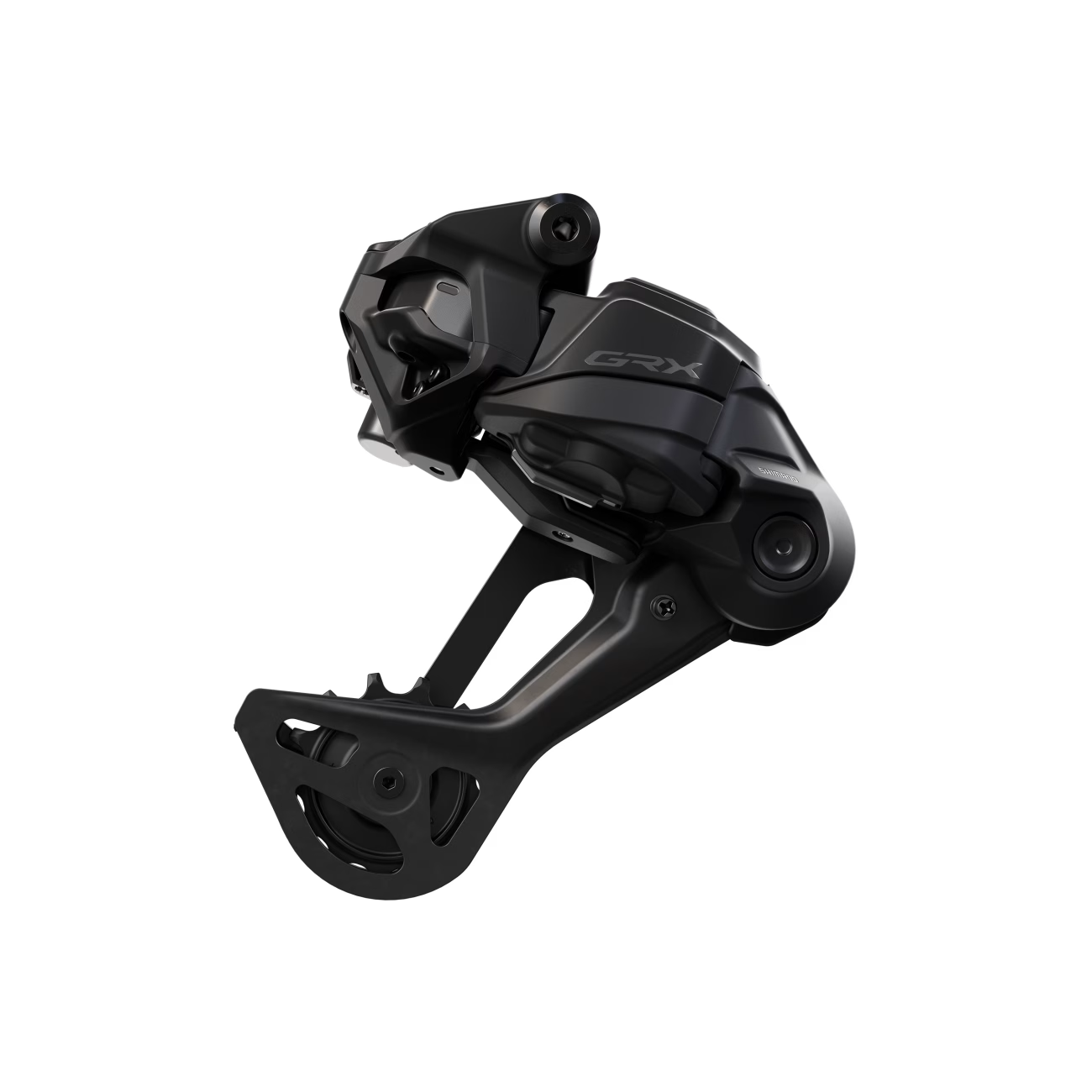
When it comes to electronic shifting systems, two names dominate the conversation: Shimano Di2 and SRAM AXS. Both offer rapid, precise gear changes, but they cater to different rider preferences and needs. Let’s delve into a comprehensive comparison to help you determine which system aligns best with your cycling style.
Control Mechanisms
Shimano Di2 employs a two-button system on each shifter, reminiscent of traditional mechanical setups. This design provides a tactile, familiar feel for those transitioning from mechanical to electronic shifting. Additionally, the E-Tube Project app allows riders to customize button assignments and activate features like Synchro Shift, which automates front derailleur movements for smoother gear transitions.
In contrast, SRAM AXS utilizes a single paddle per shifter. The left paddle shifts to a lower gear, the right to a higher one, and pressing both simultaneously operates the front derailleur. The AXS app offers extensive customization, enabling riders to adjust shift behavior, set up Sequential Shift for automatic gear changes, and monitor ride data.
Braking Performance
Shimano’s hydraulic disc brakes are renowned for their smooth modulation and predictable power delivery. The lever feel is refined, offering a consistent and controlled braking experience. This setup is particularly appreciated by riders who value a firm and responsive brake feel.
SRAM’s hydraulic brakes, on the other hand, provide a more immediate bite with a linear progression. The initial engagement is strong, which some riders prefer for its directness. However, this can feel abrupt to those accustomed to Shimano’s more gradual braking response.
Battery Life and Charging
Shimano Di2 systems are powered by a single internal battery, typically located in the seat post or frame. A full charge offers approximately 1,000 kilometers of riding. Charging is straightforward via a port on the rear derailleur, eliminating the need to remove the battery. The shifters are powered by CR1632 coin cell batteries, which last about two years in higher-end models and up to four years in the 105 Di2 and GRX Di2 versions.
SRAM AXS employs removable batteries on each derailleur, with each providing around 60 hours of riding per charge. Charging is done externally, and the batteries are easily swapped, allowing riders to carry spares for extended tours. The shifters use CR2032 coin cell batteries, also lasting approximately two years under normal usage.
Gearing Options for Gravel Riding
For gravel enthusiasts, Shimano’s GRX Di2 offers both 2×12 and 1×12 configurations. The 2×12 setup provides a wide gear range with closely spaced ratios, ideal for mixed terrain. The 1×12 configuration simplifies the drivetrain, reducing weight and maintenance, and is well-suited for off-road adventures.
SRAM’s XPLR AXS focuses on 1x setups with wide-range cassettes, such as 10-46t, catering to gravel riders seeking simplicity and a broad gear range. The 13-speed versions offer even more versatility, accommodating diverse riding conditions.
App Integration and Customization
Shimano’s E-Tube Project app allows riders to assign functions to buttons, adjust Synchro Shift settings, and perform firmware updates. While it offers essential customization, it may not be as intuitive or feature-rich as some riders desire.
SRAM’s AXS app provides a more comprehensive suite of features, including detailed ride data analysis, shift behavior customization, and integration with other AXS components like dropper posts and power meters. This ecosystem approach offers a more unified and customizable riding experience.
Maintenance and On-the-Road Serviceability
Shimano’s wired system means fewer potential points of failure, especially in wet conditions. However, the wiring can be cumbersome to install and may require more effort to service. In the event of a battery depletion, the front derailleur will cease functioning first, but the rear derailleur can continue to operate for an additional 100 to 200 kilometers.
SRAM’s wireless system simplifies installation and offers cleaner aesthetics. The removable batteries allow for easy swapping, and the system can be reset via the app if issues arise. When a battery runs out, the derailleur remains in the last selected gear, and since both derailleurs use the same battery type, you can swap batteries between them to continue your ride.
Conclusion
Both Shimano Di2 and SRAM AXS offer high-quality electronic shifting systems, each with unique advantages. Shimano Di2 is ideal for riders seeking a reliable, wired system with a traditional shifting feel and straightforward maintenance. SRAM AXS appeals to those who prefer a fully wireless setup with extensive customization options and integration within a broader ecosystem.
Ultimately, the choice between Shimano Di2 and SRAM AXS depends on your personal preferences, riding style, and the specific features that align with your cycling needs.