
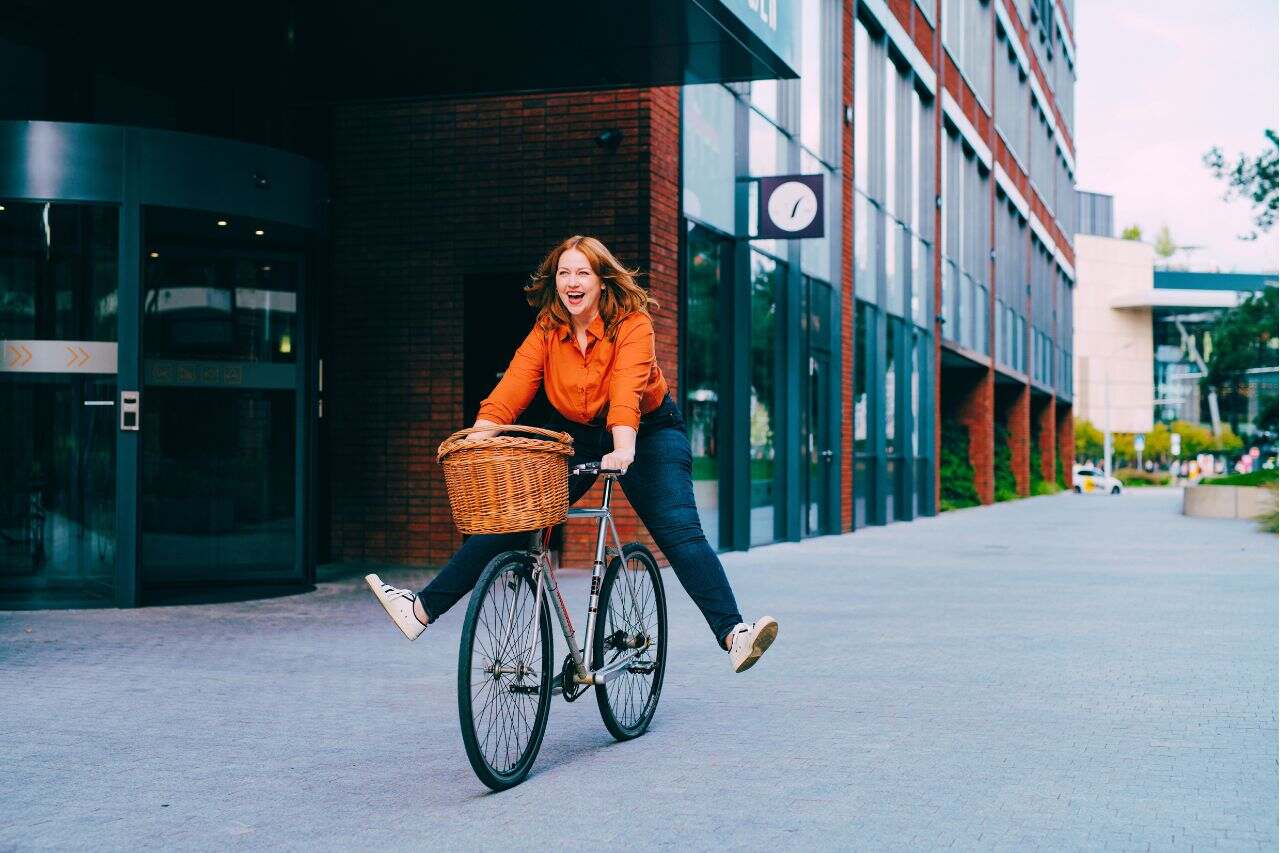
Designing Cities with Women in Mind: A Path to Increased Female Cycling Participation
Urban planning has traditionally been shaped by male-centric perspectives, focusing on linear commuting patterns and neglecting the diverse needs of all residents. To foster greater female participation in cycling, it’s imperative to co-design urban spaces that reflect women’s experiences and requirements.
The Need for Inclusive Urban Planning
Historically, cities have been designed by men, for men, emphasizing straightforward home-to-work commutes. This approach overlooks the multifaceted nature of women’s daily movements, which often include accompanying children to school, shopping, caregiving for elderly family members, and managing household responsibilities. Such “care mobility” requires urban spaces that are safe, accessible, and accommodating of these varied activities.
Insights from Velo-city 2026 in Rimini
The Velo-city 2026 conference in Rimini underscored the importance of inclusive urban design. Discussions highlighted that women assess public spaces holistically, considering factors like children’s safety, sidewalk accessibility, street lighting, intersection visibility, and the presence of green areas. An infrastructure that doesn’t connect securely to schools, markets, and healthcare facilities remains underutilized or predominantly used by male cyclists. (velo-city-conference.com)
Empowering Women Through Cycling Initiatives
Grassroots initiatives, such as those by FIAB Napoli Cicloverdi, demonstrate the transformative power of cycling. In Naples, collective actions have shifted perceptions of fear into a sense of community. Starting with the 2016 participation in the “Eroica” cycling event, the group organized urban cultural rides dedicated to historical female figures and settings from Elena Ferrante’s novels. By merging gentle mobility with culture, socialization, and health campaigns like “Bici è salute,” they’ve shown that cycling can be a tool for reclaiming public space and breaking isolation barriers. (velo-city-conference.com)
Building Trust One Pedal at a Time
Research from the University of Turku on cycling courses for migrant women in Finland illustrates that cycling is not just a technical skill but a life lesson that opens new avenues for empowerment and mobility. Each success on the bike bolsters self-confidence, enabling women from vulnerable social backgrounds to reduce dependence on private vehicles or inadequate public transport networks. However, this personal activation can fade if cities don’t provide a structurally safe environment. (velo-city-conference.com)
Co-Designing the Details That Make a Difference
Italian administrations can learn from global focuses by establishing urban co-design methods. Listening to women means introducing concrete tools in planning: “emotion maps” to identify perceived dangerous points, group urban walks to assess passage accessibility, and meticulous attention to details like continuous lighting, elimination of blind spots, and removal of architectural barriers. Designing a city with women in mind doesn’t mean conceding to a user category but elevating the urban standard for society as a whole. A street where a woman feels safe cycling at night or where she feels comfortable letting her children cycle is, by definition, a much safer, healthier, and livable street for everyone. (velo-city-conference.com)
By integrating women’s perspectives into urban planning, we can create cities that are not only more inclusive but also more sustainable and livable for all residents.