
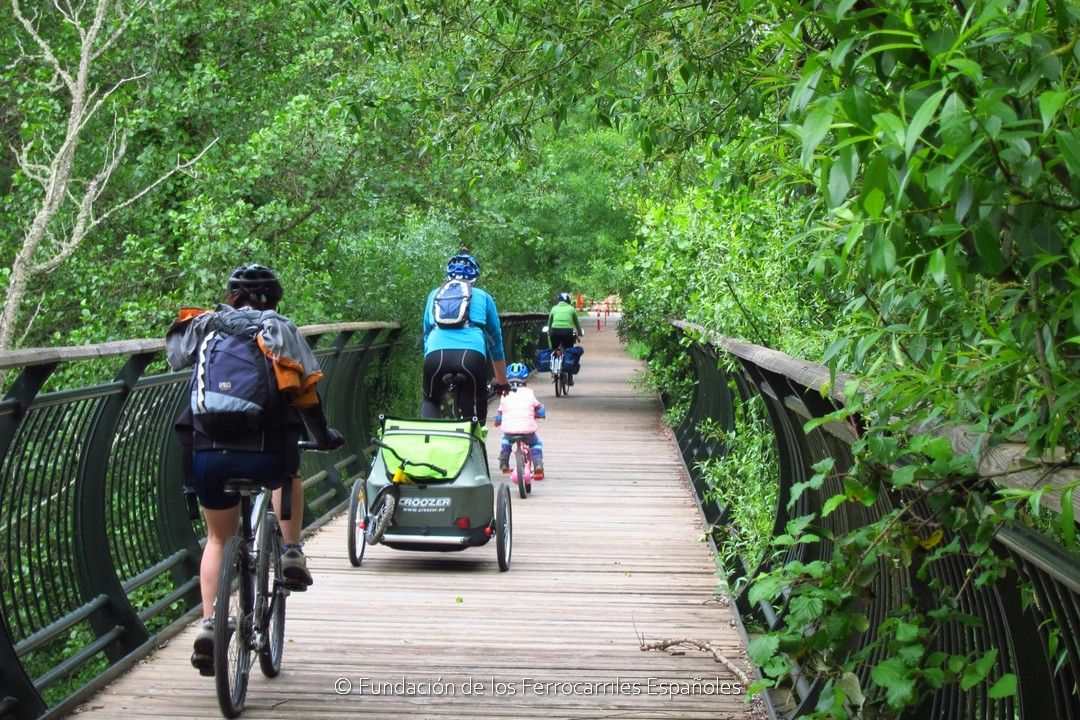
In June 2026, Rimini, Italy, hosted the Velo-city 2026 conference, a pivotal event focusing on sustainable urban mobility and cycling tourism. This gathering underscored the transformative potential of cycling infrastructure in promoting environmental conservation and biodiversity.
Rimini’s Commitment to Sustainable Mobility
Rimini’s selection as the conference venue highlighted its dedication to green mobility. The city has been actively developing the “Bicipolitana,” an extensive cycling network spanning nearly 200 kilometers, and has revitalized its seafront into a vibrant space for pedestrians and cyclists. (velo-city-conference.com)
Integrating Cycling Routes with Protected Areas
A significant discussion at Velo-city 2026 centered on integrating cycling routes with protected natural areas. The EuroVelo network, comprising over 90,000 kilometers of cycling paths across Europe, includes 11,374 kilometers that traverse protected zones within the Natura 2000 network. This integration aims to transform these routes into active ecological corridors, fostering regenerative tourism that benefits both the environment and local communities. (pro.eurovelo.com)
Case Study: The Bay of Cadiz Natural Park
A notable example of this approach is the EuroVelo 8 route through the Bay of Cadiz Natural Park in Andalusia, Spain. This coastal wetland, crucial for migratory bird routes, has been developed with minimal environmental impact. Construction activities are paused during bird nesting seasons, and the path utilizes permeable, natural materials that blend with the surroundings, preventing water runoff and preserving the local ecosystem. (pro.eurovelo.com)
Supporting Local Economies and Craftsmanship
Cycling tourism also plays a role in sustaining local economies. In the Bay of Cadiz, the influx of cyclists has revitalized traditional crafts, such as salt production, by directing tourist traffic to these artisanal businesses. Cyclists, traveling at a leisurely pace, are more likely to stop, interact with local producers, and support small-scale agriculture and hospitality services, thereby combating rural depopulation. (pro.eurovelo.com)
Redefining Tourism and Environmental Conservation
This paradigm shift challenges the traditional model of mass tourism, which often leads to environmental degradation and community displacement. By integrating cycling routes with protected areas and local economies, we can create a sustainable tourism model that educates and engages travelers in environmental stewardship. Utilizing the EuroVelo network to enhance the Natura 2000 sites demonstrates that each pedal stroke can contribute to healing the land rather than exploiting it. (pro.eurovelo.com)
The discussions and initiatives presented at Velo-city 2026 Rimini offer a roadmap for cities worldwide to harness the power of cycling infrastructure in promoting environmental conservation, supporting local economies, and fostering sustainable tourism practices.
Highlights:
- Velo-city 2026: Advancing sustainability and tourism in Rimini – EuroVelo for Professionals, Published on Tuesday, August 11
- Velo-city 2026 Rimini – Velo-city Conference
- How to reach Velo-city Rimini by bicycle – EuroVelo, Published on Wednesday, March 18