
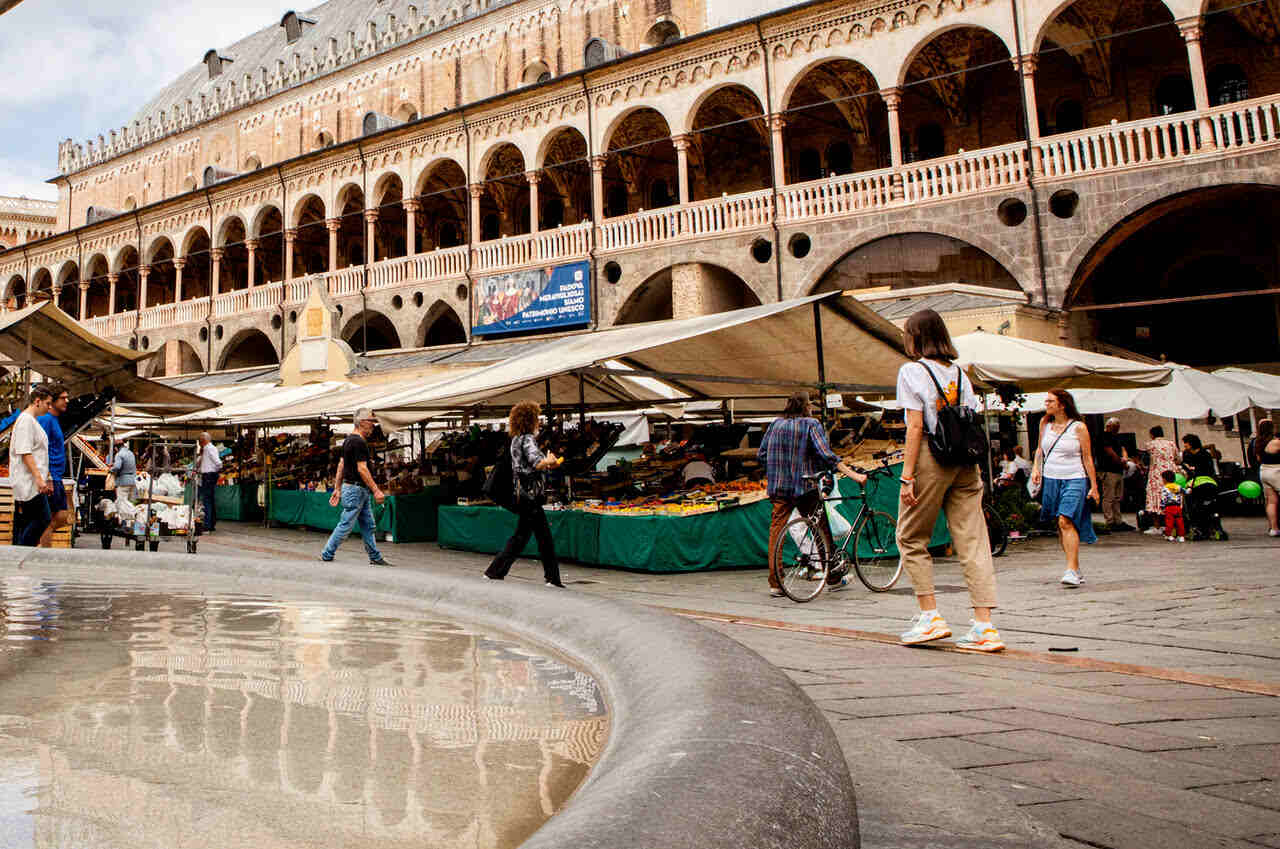
Padua, a historic city in northern Italy, is undergoing a significant transformation in its urban mobility landscape. The city is actively reducing car usage, expanding public transportation, and enhancing its cycling infrastructure to combat pollution and improve residents’ quality of life.
Tram System Expansion
A cornerstone of Padua’s mobility strategy is the expansion of its tram network. The city is investing in the creation of two new tram lines, complementing the existing one, to establish a comprehensive system connecting urban neighborhoods and surrounding municipalities. This initiative aims to accommodate 144,000 passengers daily, significantly reducing reliance on private vehicles. The project is part of a broader investment in sustainable mobility, estimated at approximately half a billion euros, marking one of the most substantial infrastructure developments in the city since World War II.
Cycling Infrastructure and Intermodality
In parallel, Padua is enhancing its cycling infrastructure. The city has been recognized for its efforts, winning the “Giretto d’Italia” campaign for three consecutive years, which rewards cities for promoting cycling in daily commutes. The expansion of the “Bicipolitana,” a network of cycling routes, is a key component of this strategy. These routes connect the city center with peripheral areas, encouraging residents to opt for bicycles over cars. Additionally, the integration of bike-sharing services and electric scooters facilitates seamless intermodal travel, allowing residents and visitors to combine cycling with public transport for efficient urban mobility.
Cycling Tourism and Regional Connectivity
Padua’s commitment to cycling extends to tourism. The city is hosting the fifth edition of the Cycle Tourism Show from March 27 to 29, 2026, at the Padova Hall. This event brings together tourism boards, tour operators, and bicycle manufacturers to showcase destinations, services, and products tailored for cycling enthusiasts. The fair includes workshops, presentations, and networking opportunities, aiming to inspire and educate attendees on planning cycling trips and holidays. The opening day features the Cycle Tourism Forum, dedicated to industry professionals, while the subsequent days are open to the public, offering stories, advice, and inspiration for future cycling vacations. (turismopadova.it)
Beyond the city, the province of Padua is expanding a network of cycling routes perfect for cycle tourism, allowing access to the Euganean Hills and natural wonders on the city’s doorstep in complete safety. (turismopadova.it)
Conclusion
Padua’s comprehensive approach to urban mobility—combining expanded public transportation, enhanced cycling infrastructure, and a focus on cycling tourism—positions the city as a model for sustainable urban development. These initiatives not only aim to reduce traffic congestion and pollution but also enhance the quality of life for residents and offer new opportunities for visitors to explore the city and its surroundings.