
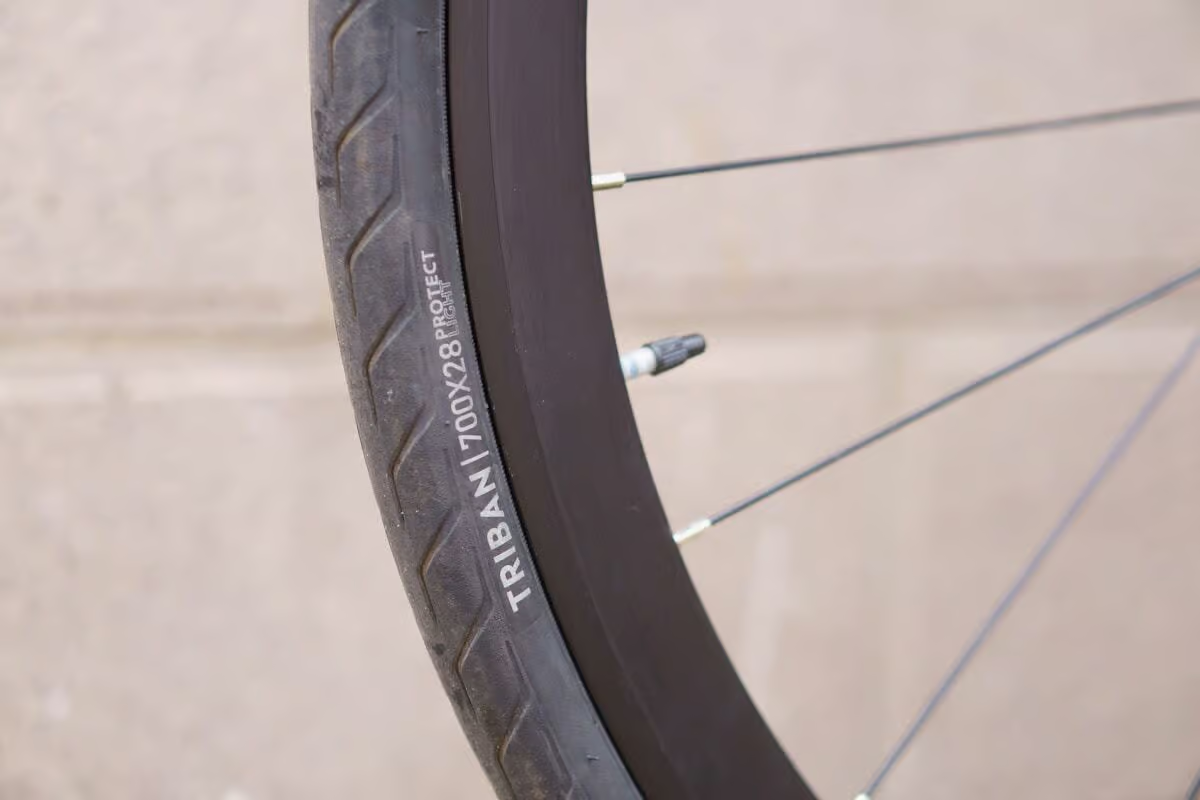
Maintaining the correct tire pressure is crucial for optimal cycling performance, safety, and comfort. Whether you’re navigating city streets, tackling rugged mountain trails, or cruising along coastal paths, understanding and adjusting your tire pressure to suit your riding conditions and personal needs can significantly enhance your cycling experience.
Understanding Tire Pressure
Tire pressure, measured in pounds per square inch (PSI) or bar, affects several aspects of your ride:
- Comfort: Proper pressure ensures a smooth ride, absorbing road imperfections effectively.
- Safety: Correct pressure reduces the risk of flats and enhances traction, especially in wet conditions.
- Performance: Optimal pressure minimizes rolling resistance, allowing for better speed and efficiency.
Factors Influencing Tire Pressure
Several elements can influence the ideal tire pressure for your bike:
- Rider Weight: Heavier riders may require slightly higher pressures to prevent tire deformation.
- Tire Width: Wider tires generally need lower pressures compared to narrower ones.
- Riding Terrain: Off-road conditions often benefit from lower pressures for better grip and comfort.
- Temperature: Temperature fluctuations can cause tire pressure to vary; it’s advisable to check and adjust accordingly.
Recommended Tire Pressures by Bike Type
Below is a general guideline for tire pressures based on bike type and tire width:
| Bike Type | Tire Width (mm) | Pressure Range (PSI) | Pressure Range (bar) |
|---|---|---|---|
| Road Bike | 23–28 | 80–130 | 5.5–9.0 |
| Gravel Bike | 30–45 | 35–70 | 2.4–4.8 |
| Mountain Bike | 1.9–2.5 inches | 25–50 | 1.7–3.4 |
| Hybrid Bike | 28–42 | 50–70 | 3.4–4.8 |
| Fat Bike | 3.8–5.0 inches | 5–30 | 0.3–2.1 |
These ranges are approximate and can vary based on specific tire models and riding conditions. (bikesize.net)
Adjusting Tire Pressure
To find your optimal tire pressure:
- Start with Manufacturer Recommendations: Refer to the tire sidewall for the manufacturer’s suggested pressure range.
- Consider Your Weight: Heavier riders may need to increase pressure within the recommended range.
- Assess Riding Conditions: For rough terrains, slightly lower pressures can improve comfort and traction.
- Test and Adjust: After initial adjustments, test ride and fine-tune the pressure based on comfort and performance.
Maintaining Tire Pressure
Regularly checking and maintaining your tire pressure is essential:
- Frequency: Check before each ride or at least once a week.
- Tools: Use a reliable pressure gauge or a pump with an integrated gauge for accurate readings.
- Temperature Considerations: Be aware that temperature changes can affect tire pressure; adjust accordingly.
Conclusion
Proper tire pressure is fundamental to a safe, comfortable, and efficient cycling experience. By understanding the factors that influence tire pressure and regularly maintaining it, you can ensure your bike performs optimally across various terrains and conditions.