
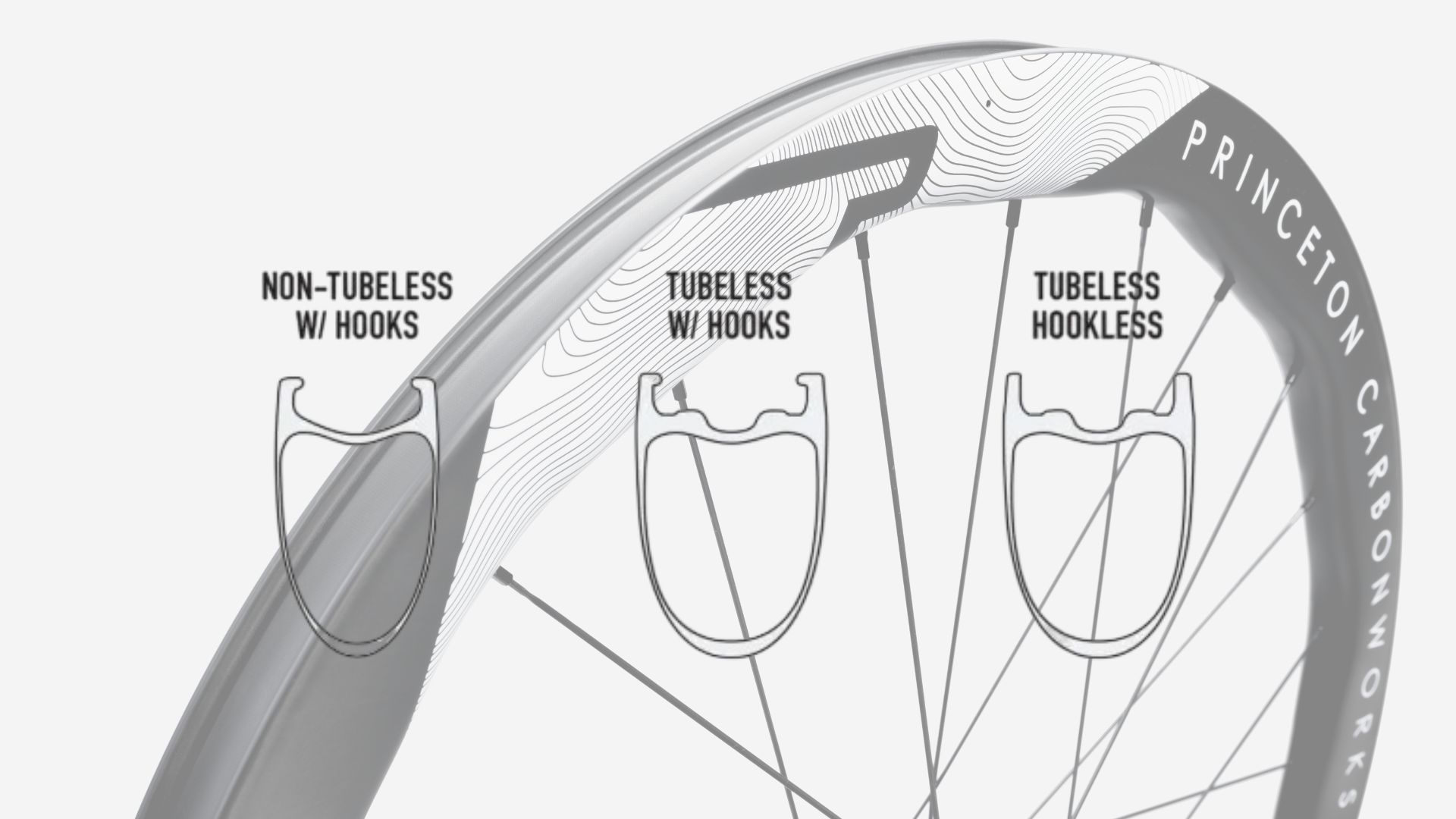
In the ever-evolving world of cycling, the debate between hooked and hookless rims has become a focal point for enthusiasts and professionals alike. Understanding the distinctions between these two designs is crucial, as it directly influences performance, safety, and rider experience.
The Core Differences:
At the heart of this discussion lies the tire bead interface. Hooked rims feature an inward-facing hook on the inner edge of the rim, mechanically securing the tire bead in place. This design has been the standard for decades, offering a reliable and straightforward mounting process. Conversely, hookless rims adopt a straight sidewall profile, eliminating the bead hook. Instead, they rely on precise tolerances between the tire bead and rim, along with the tire’s bead stiffness, to maintain a secure fit. (icancycling.co.uk)
Performance and Safety Considerations:
The choice between hooked and hookless rims significantly impacts performance and safety. Hookless rims are typically rated for lower maximum tire pressures, often around 72.5 psi (5 bar). Exceeding this limit can increase the risk of the tire bead unseating, potentially leading to blowouts, especially during high-speed descents or aggressive cornering. This limitation makes hookless rims more suitable for disciplines like mountain biking and gravel riding, where lower pressures are common. In contrast, hooked rims can safely accommodate higher pressures, making them preferable for road cycling, where riders often use narrower tires inflated to higher pressures. (velocitewheels.com)
Tire Compatibility:
Tire compatibility is another critical factor. Hookless rims require tires that are specifically rated for hookless use, ensuring the tire bead and rim dimensions align precisely. Using non-compatible tires can compromise the seal, leading to air loss or even tire blow-offs. This necessity limits tire choices and requires careful selection to maintain safety and performance. (velocitewheels.com)
Manufacturing and Design Implications:
From a manufacturing perspective, hookless rims offer certain advantages. The absence of a bead hook simplifies the rim’s design and production process, potentially reducing costs and allowing for wider internal rim widths. This design can enhance aerodynamics and accommodate wider tires, which is beneficial for off-road cycling disciplines. However, this design also means that hookless rims are exclusively designed for tubeless setups, as the tire bead must form an airtight seal with the rim. (liv-cycling.com)
Which Rim Suits Your Riding Style?
The decision between hooked and hookless rims should align with your specific riding discipline and preferences:
-
Road Cycling: If you prioritize higher tire pressures and a broader selection of tires, hooked rims are advisable. They offer versatility and reliability for road conditions.
-
Mountain Biking and Gravel Riding: For these disciplines, where lower pressures and wider tires are common, hookless rims can provide benefits like improved aerodynamics and the ability to run wider tires at lower pressures. However, it’s essential to ensure that your tires are compatible with hookless rims and that you adhere to the recommended pressure limits.
In conclusion, both hooked and hookless rims have their place in the cycling world. Your choice should be guided by your riding style, the terrain you frequent, and your performance goals. Always consult with a knowledgeable bike shop or manufacturer to ensure that your wheel and tire combination is safe and optimal for your needs.