
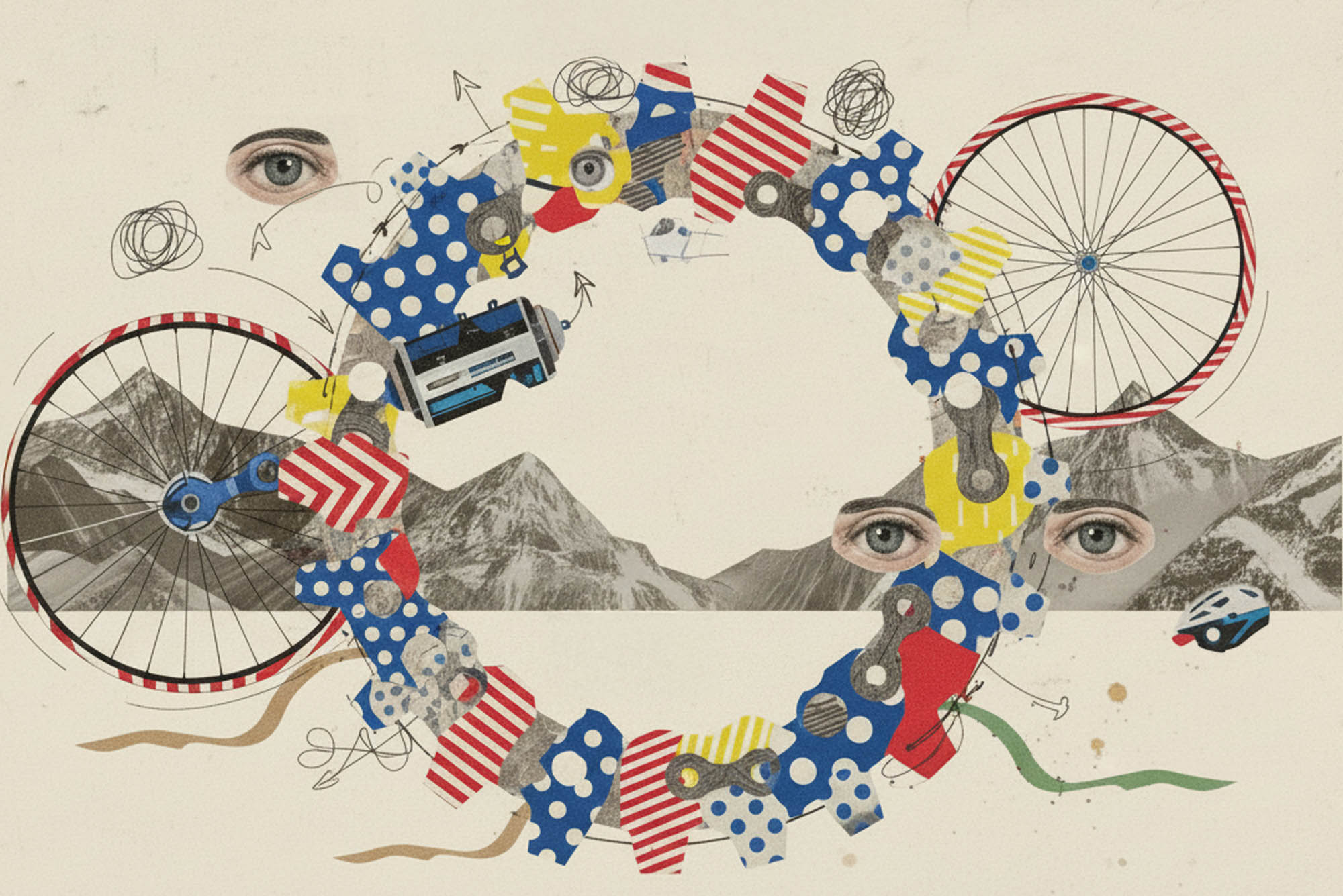
The Panic Paradox: Shifting Market Psychology in Cycling
Brixen Paper #11 delves into the intricate relationship between market psychology amidst crises. This exploration uncovers how insights confront responsibilities, showcasing why fear may paralyze some while igniting action in others. Notably, transformative change emerges not from collective consensus, but from the pivotal moves of trailblazers.
Table of Contents
- From Alarm to Action
- Panic as a Signal: Let’s Harness It
- The Strength in Panic: Overcoming Paralysis
- Lessons from Prior Brixen Papers
- Transformative Decision-Making: A Different Approach
- Embracing Change: Leading by Example
- The Critical Moment: Decision-Making Amidst Panic
- Conclusion: The Path Ahead
From Alarm to Action
The sentiment within the cycling industry shifts rapidly. Budget cuts, layoffs, and regulatory debates contribute to an atmosphere thick with uncertainty and fear. While panic is a natural reaction to malfunctioning structures, it’s not the panic itself that cripples; rather, it’s the distorted thinking it triggers.
In alarm mode, our perspectives narrow, limiting our options and amplifying perceived threats. Fear constricts decision-making, resulting in reactive rather than proactive measures. In times of adversity, many do not falter due to circumstance; they shrink due to fear.
At this critical juncture, the industry faces a paradox: clarity and creativity are needed the most, yet panic often breeds paralysis.
Panic as a Signal: Let’s Harness It
Panic is akin to smoke signaling a fire. It may indicate an underlying issue, but it shouldn’t be mistaken for the total collapse of demand or relevance within the industry. Instead, it reflects a collective stress response to structures and assumptions that no longer hold.
This panic arises when reality accelerates quicker than our capacity to adapt. The market is not irreparably broken; it requires a recalibration of expectations and processes. In this context, panic serves as vital information—a signal for transformation. The real danger lies not in the alarming signs, but in the dismissal of these indicators as signs of an inevitable disaster.
The Strength in Panic: Overcoming Paralysis
Throughout history, hardship has been integral to progress. Growth thrives under pressure; it reveals inefficiencies, necessitates prioritization, and accelerates learning. Stability seldom births meaningful change; rather, it reinforces outdated habits.
The uncomfortable truth lies in the fact that necessary changes have been visible for years, lacking the urgency to drive action. External pressures create urgency, leading to momentum when met with an open mindset. To navigate this transition, we must remain receptive—open to learning, questioning entrenched beliefs, and embracing novel approaches.
Lessons from Prior Brixen Papers
The first ten Brixen Papers traversed various themes: technology, regulation, responsibility, and more. Yet, a central truth emerges: change is optional. The industry can persist in its repetitive patterns, chasing familiar metrics.
What these papers revealed was not predictions, but possibilities—a reminder that inaction, once recognized, transforms into a conscious choice rather than mere stagnation. This brings us to a significant hurdle within the industry: the reluctance to take responsibility.
Transformative Decision-Making: A Different Approach
In turbulent times, the instinct is typically to curtail budgets and delay decisions. However, transformation does not necessarily equate to increased expenditure. Instead, it demands a reevaluation of priorities and purposeful actions.
Strategic discussions are rampant, yet clarity is scarce. Many industry leaders understand that existing frameworks are inadequate, but without naming the issue and transforming insights into action, it all becomes mere noise.
A strategy only matures into reality with ownership and responsibility. Without action, even the most innovative ideas remain fictional.
Embracing Change: Leading by Example
In examining recent months, a clear trend arises: while intelligence, ideas, and dialogue abound in the cycling industry, coordinated, courageous action is sparse. Genuine transformation will not stem from endless discussions; it will arise from pioneers who dare to move first, challenge the status quo, and innovate.
Waiting for consensus is rarely the path to progress. Change typically initiates from individuals willing to take risks and navigate friction, shaping the industry’s future rather than stifling it.
The Critical Moment: Decision-Making Amidst Panic
Panic signals a critical juncture—a call to act with intention instead of succumbing to survival instinct. It’s essential to recognize that easy choices made today often spell difficulties for tomorrow.
Discerning leaders will stay level-headed and proactive while others stall, dictating the trajectory of the industry. The core question now is simple: who will be the early movers shaping a new era for cycling?
Conclusion: The Path Ahead
The cycling industry stands on the precipice of significant transformation, though it won’t come from passive waiting. The prevailing wisdom offers an empowering perspective: true change is always possible. Organizations and individuals prepared to embrace responsibility and take decisive action will help forge a future where bicycles are finally afforded the space and recognition they deserve.
Motivated leaders harbor the potential to redefine industry standards, creating a canvas for innovation that supports not just survival but flourishing in an ever-evolving landscape.
This article forms part of the Brixen Bike Papers—an initiative under 41 Publishing’s 2025 Think Tank aiming to build a more robust cycling community. For more insights, visit Brixen Think Tank.
This rewriting incorporates professional tone elements reflective of a high-end bicycle magazine while maintaining core insights from the original text.