
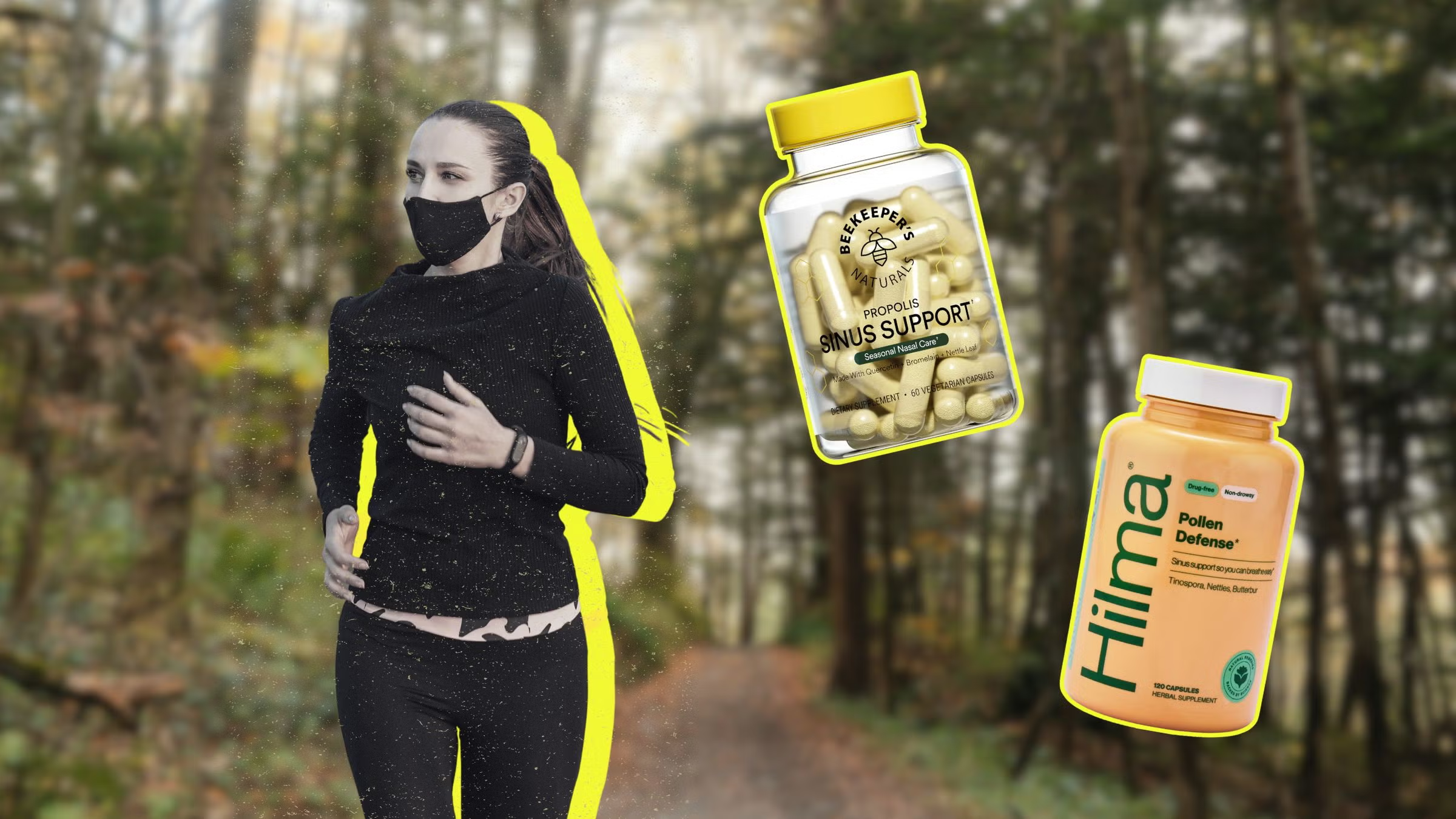
Enhancing Outdoor Running Performance Amidst Allergies
As the 2026 Boston Marathon approaches, athletes are increasingly seeking effective strategies to mitigate the impact of seasonal allergies on their training and performance. With pollen seasons starting earlier and lasting longer, as noted in recent studies, (weence.com) it’s crucial to explore both traditional and alternative methods to maintain optimal running conditions.
Understanding the Impact of Allergies on Running
Seasonal allergies can significantly affect runners, leading to symptoms such as nasal congestion, itchy eyes, and fatigue. These symptoms not only hinder performance but also pose health risks if left unaddressed. The body’s inflammatory response to allergens can impair breathing and reduce oxygen intake, essential for endurance activities.
Traditional Allergy Management Strategies
Over-the-counter antihistamines are commonly used to alleviate allergy symptoms. However, recent research from the University of Oregon suggests that antihistamines might interfere with muscle recovery and growth, potentially affecting athletic performance. (klcc.org) This finding underscores the importance of considering alternative treatments.
Alternative Approaches: Allergy Supplements
In response to the limitations of conventional medications, some runners are turning to allergy supplements. These products often contain natural ingredients like quercetin, bromelain, and vitamin C, which are believed to possess anti-inflammatory properties. While some studies have explored the efficacy of such supplements, the results have been mixed, and more research is needed to establish their effectiveness.
Integrating Allergy Management into Training
To effectively manage allergies during training, consider the following strategies:
-
Monitor Pollen Levels: Utilize local pollen forecasts to plan runs during times of lower pollen counts, typically late morning or after rain.
-
Optimize Training Times: Schedule runs when pollen levels are lower, often in the late morning or after rainfall.
-
Protective Measures: Wear sunglasses and a hat to shield eyes from pollen, and consider using a pollen mask if necessary.
-
Post-Run Hygiene: Shower and change clothes promptly after running outdoors to remove pollen residues.
Conclusion
As allergy seasons become more prolonged, runners must adopt comprehensive strategies to maintain performance and health. While traditional medications and emerging supplements offer potential relief, it’s essential to consult with healthcare professionals to tailor an approach that aligns with individual needs and minimizes potential side effects. By proactively managing allergies, runners can continue to enjoy the benefits of outdoor training and competition.