
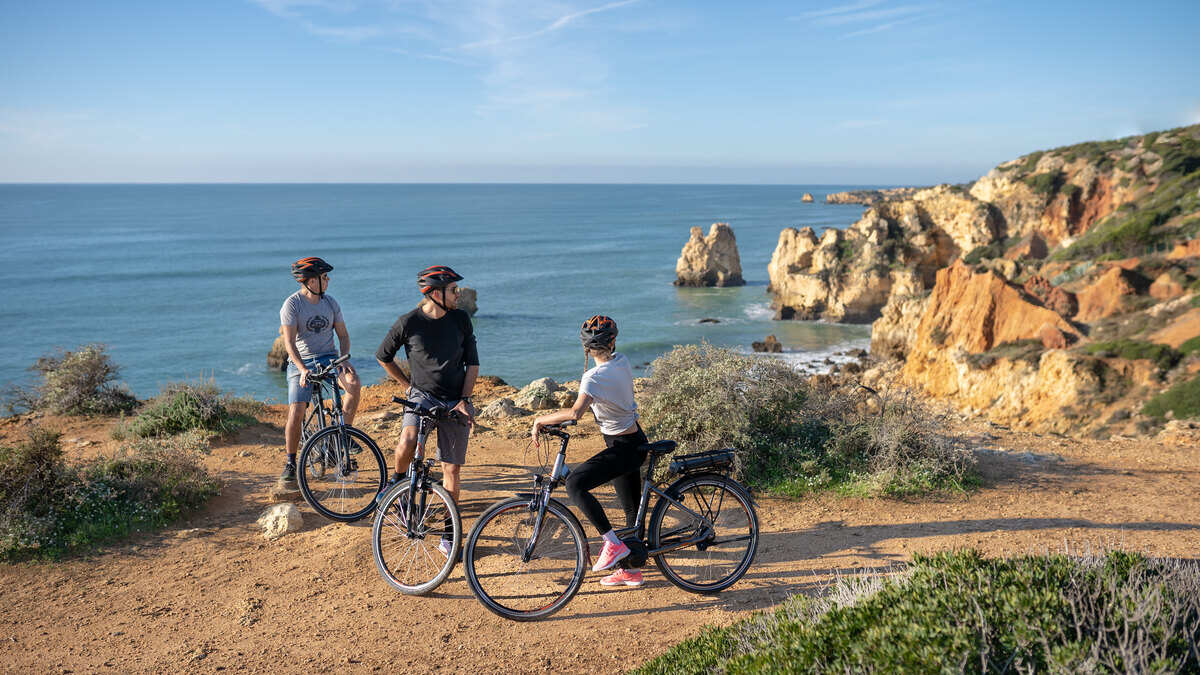
Portugal has embarked on a transformative journey over the past two decades, repurposing its extensive network of disused railway lines into a vibrant system of Ecopistas—dedicated greenways that promote sustainable mobility and tourism. This initiative, which began in 2001, has not only preserved the nation’s railway heritage but also fostered economic development and environmental awareness.
From Railways to Greenways
The Ecopistas are more than just cycling paths; they are cultural and environmental corridors that offer safe, accessible routes for cyclists, pedestrians, and individuals with reduced mobility. As of early 2026, the network comprises 14 Ecopistas totaling 518 kilometers, with plans for further expansion. (business.turismodeportugal.pt)
Sustainable Mobility and Economic Growth
These greenways serve as catalysts for local economies, encouraging the development of tourism-related businesses such as accommodations, restaurants, and visitor services. By connecting rural areas to the broader EuroVelo network, Portugal is positioning itself as a premier destination for both national and international cycle tourism. (en.eurovelo.com)
Innovative Concession Models
A key aspect of the Ecopistas’ success is the innovative concession model. Long-term contracts, often exceeding 25 years, ensure the maintenance and preservation of these routes, including complex infrastructures like bridges and tunnels. This approach has attracted private investment and fostered public-private partnerships, exemplified by projects developed with the Fundo Revive Natureza, which focuses on the rehabilitation of public properties and the enhancement of local territories. (business.turismodeportugal.pt)
Iconic Routes and Cultural Integration
Among the most notable routes is the Grande Rota do Montado, which traverses the Alentejo region. This path not only showcases the natural beauty of cork oak forests and oak groves but also integrates cultural and historical sites, offering cyclists a rich and immersive experience. Stations along the route have been repurposed into accommodations, restaurants, museums, and cultural spaces, transforming former railway infrastructures into hubs of sustainable tourism. (business.turismodeportugal.pt)
Towards a Sustainable Future
Looking ahead, Portugal continues to invest in its greenway network. The Iberian Cycle Route, set to become EuroVelo 16 by 2028, will connect Lisbon to Pamplona via Madrid, further integrating Portugal into the European cycling landscape. This development underscores the nation’s commitment to sustainable tourism and mobility, aiming to diversify tourism offerings and extend the tourist season. (en.eurovelo.com)
In summary, Portugal’s two-decade-long transformation of its railway lines into Ecopistas exemplifies a successful model of sustainable development, cultural preservation, and economic revitalization. As the network continues to expand, it promises to offer even more opportunities for exploration, adventure, and connection with the rich heritage and landscapes of Portugal.