
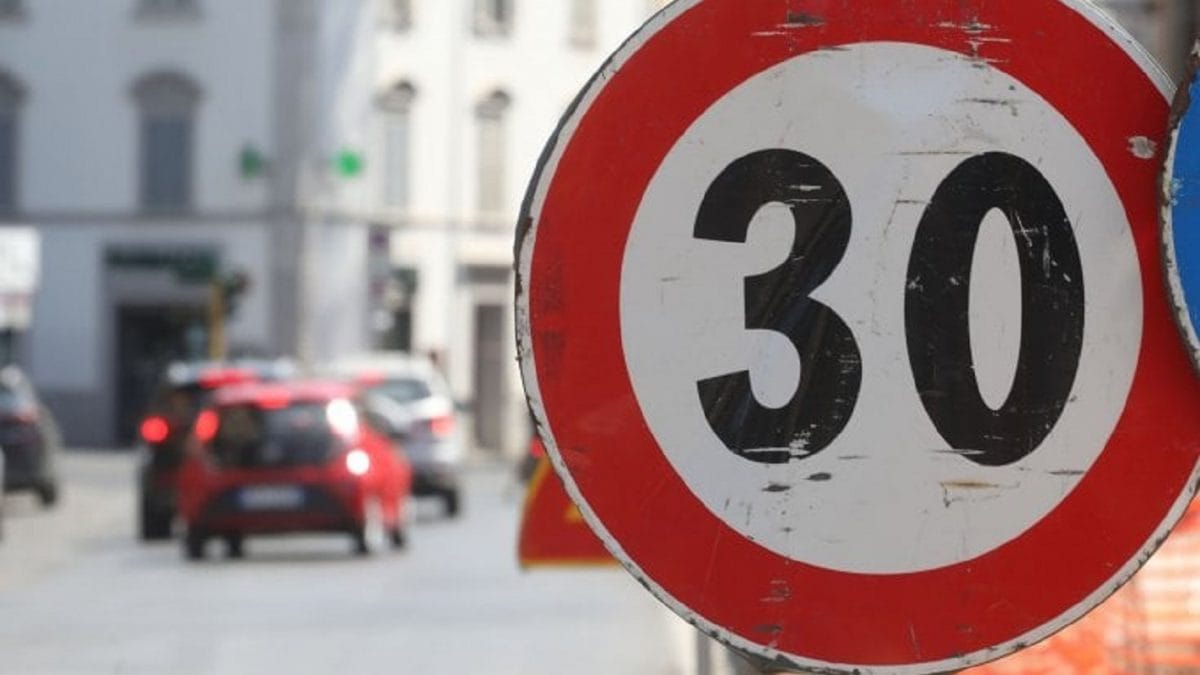
In January 2027, Pavia, a city of approximately 71,000 residents in northern Italy, will implement a significant transformation in its urban mobility. The “Pavia Città 30” initiative will establish a 30 km/h speed limit across most of the urban road network, with 50 km/h zones retained only on major thoroughfares. This shift reverses the current norm, where 50 km/h is prevalent, and 30 km/h zones are exceptions. (bikeitalia.it)
Strategic Implementation
The city’s plan designates 50 km/h limits for roads encircling the historic center, including Viale della Libertà, Lungo Ticino, Viale Resistenza, Viale Gorizia, and Viale Matteotti. Major entry points such as Via Riviera, Viale Repubblica, Via Vigentina, Viale Lodi, and Viale Cremona will also maintain the higher speed limit. All other areas, from Borgo Ticino to Mirabello, will adopt the 30 km/h limit. This approach aligns with the city’s goal to prioritize safety and livability in residential and service areas while facilitating smoother traffic flow on main corridors. (bikeitalia.it)
Rationale Behind the Change
The decision is grounded in safety considerations. Studies indicate that a pedestrian struck at 30 km/h has approximately a 10% chance of fatality, compared to over 80% at 50 km/h. Additionally, braking distances at 30 km/h are more than halved compared to 50 km/h. These findings have led organizations like the World Health Organization and the European Transport Safety Council to advocate for lower urban speed limits. Pavia’s administration aims to enhance safety, promote sustainable mobility, protect the environment, and improve public space quality through this initiative. (bikeitalia.it)
Community Engagement and Feedback
Involving residents is a cornerstone of the “Pavia Città 30” project. The city has conducted public meetings and launched an online questionnaire to gather citizen input on daily routes, perceived issues, and desired improvements. This participatory approach ensures that the plan reflects the community’s needs and fosters a sense of ownership among residents. (comune.pavia.it)
Learning from Other Cities
Pavia draws inspiration from other European cities that have successfully implemented similar measures. For instance, Bologna reported a 43.6% decrease in fatalities and a 12.5% reduction in accidents after adopting a 30 km/h speed limit. Similarly, Graz and Bilbao have seen significant improvements in safety and quality of life following similar initiatives. These examples underscore the potential benefits of the “Pavia Città 30” project. (bikeitalia.it)
Looking Ahead
As Pavia prepares to implement the “Città 30” initiative in January 2027, the city is committed to creating a safer, more sustainable, and livable urban environment. Through strategic planning, community engagement, and learning from successful examples, Pavia aims to set a precedent for other cities in promoting urban mobility that prioritizes people over vehicles.