
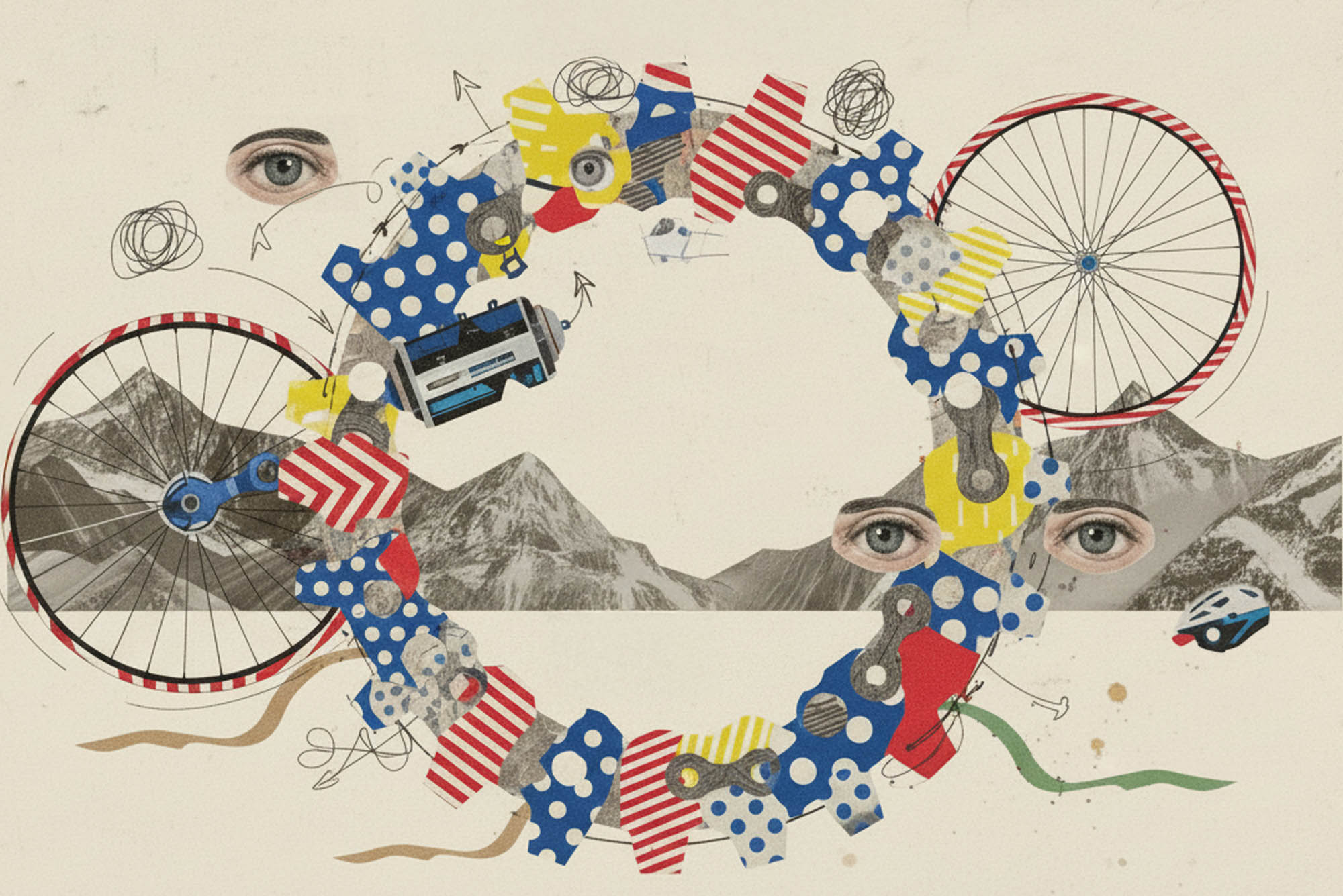
Bridging the Dealer Divide: A New Era for Bicycle Retail
In the ever-evolving world of cycling, innovation is often celebrated, yet the narrative frequently falters at the dealership level. Where enthusiasm should flourish, discounts have taken precedence. This isn’t merely a dealer dilemma—it’s a systemic shortcoming. This analysis delves into the dealer divide and the fractured relationship at the industry’s core.
The Frontline Disconnect
A stellar product, a visionary engineer, and a groundbreaking campaign are futile if the salesperson lacks conviction in the brand’s story. The journey ends at a weary counter, with a receipt printer yearning for obsolescence. Dealers were envisioned as the bridge between passion and purchase. Yet, many have transformed into discount dispensers, ensnared by dwindling margins and perpetual promotions.
The industry has cultivated a scenario where the final human touchpoint is often its weakest link. This fragility isn’t incidental; it’s the outcome of years of neglecting those who stand between a brand and its rider. Many dealers have become survivors rather than storytellers, navigating shrinking margins, inconsistent commercial policies, and customers already fatigued by endless online comparisons. When the frontline falters, the entire structure collapses.
The Professionalism Paradox
Let’s be candid: most dealers aren’t trained to sell experiences; they peddle paper, numbers, and specs. This is the industry’s conditioning at play.
A customer enters and declares, “I saw this bike online.” The typical response? A recital of specifications—a monologue on torque values, battery sizes, and geometry figures. Pure noise. At times, purchasing an electric drill seems more exhilarating than buying an e-bike, and that’s a concern we should address.
Where’s the emotion? The narrative? The moment when someone articulates, “This is what this bike will do for you”?
We incessantly discuss “premium retail experience,” yet much of the market still equates premium with a chic shop featuring a fancy espresso machine and wooden floors. The reality is more uncomfortable. Many retailers will tell you that none of this matters if the customer can find the same bike twenty percent cheaper online in under a minute. If price coherence collapses, every other layer of the retail experience becomes irrelevant.
The Decline and Renaissance of the Local Bike Shop
The local bike shop isn’t extinct; it’s disoriented. E-commerce didn’t extinguish it; it self-destructed.
It ceased evolving. It stopped learning. It forgot that its role isn’t merely to sell bikes but to cultivate believers.
Retailers across the market recount a similar turning point. When the bike boom finally provided shops an opportunity to earn substantial profits, many brands panicked. Prices escalated, margins contracted, and credit tightened. Then the crash occurred… and nothing was rectified. The avalanche of discounts that followed didn’t just erode prices; it eroded trust. Entire seasons of stock were devalued overnight.
The few shops thriving today are those that rebuilt from purpose, community, and experience, not those that doubled down on discounting.
The Storytelling and Innovation Disconnect
Here’s the harsh reality: Brands invest significant resources in technology, product development, and details. They craft narratives, obsess over ride feel, usability, and balance—and then expect an exhausted salesperson, juggling phone calls and workshop chaos, to deliver that story with zero training.
Imagine spending ample time refining a bike’s character, only to have the final conversation reduced to drivetrain, suspension travel, or motor torque. Not because those details matter most—but because they’re easier to sell. This isn’t solely a dealer failure; it’s an industry shortcut. Retail was never meant to be a specification desk; it was always supposed to be a stage.
When retailers speak candidly, a pattern emerges. Many point to the constant instability imposed by brands: shifting commercial policies every few months, opening new points of sale without strategic control, flooding local markets, and then blaming the shop when the price war erupts. Retail cannot deliver consistent storytelling and educated sales when the upstream system is incoherent.
Bikes have become more complex than ever, while the real differences between them have grown harder to explain and easier to ignore. Brands keep adding features, stories, and layers—but rarely ask the uncomfortable question: who is actually supposed to carry all of this at the point of sale? An even more uncomfortable question follows: who takes responsibility for ensuring that the frontline is truly able to deliver? Because a strategy that doesn’t survive the final human interaction is not a strategy at all. It’s a failure of execution. And too often, our industry loses the story at the very last link in the chain.
A Fractured Partnership
The deeper loss in the dealer gap isn’t operational; it’s emotional. Brands and dealers are locked in a dysfunctional relationship. Brands love to point at dealers. Dealers love to point back. Each side blames the other for what’s broken, while both quietly benefit from avoiding responsibility.
Dealers demand this feature, that specification, this margin, that condition. Based on a handful of loud opinions, brands begin shaping products and strategies—often instead of relying on structured market research and real rider insight. The result is a distorted feedback loop, where opinion replaces understanding.
What makes this dynamic even more uncomfortable is the level of influence some dealers hold. In the automotive world, there is little room for such opinionated bias. In the bike industry, it is often mistaken for proximity to the customer. The difference is subtle—and costly.
Instead of taking ownership and investing in a deep, shared understanding beyond orders, trade shows, and preseason meetings, a gap has opened between what brands expect dealers to be and what dealers expect brands to deliver. Trust eroded. Alignment disappeared.
Speak to dealers long enough, and the same story repeats itself. There was a time when brands invested in their shops because they understood something simple: a dealer who rides the bike, feels the bike, and connects emotionally with the product will sell with conviction. Product days, test rides, and training sessions made staff wear the jersey.
That connection didn’t vanish overnight. It eroded. The relationship shifted from passion to spreadsheets. From storytelling to discount codes. From ambassadors to order takers. From connection to transaction.
Today, the dealer landscape is radically heterogeneous. Some retailers have evolved into true local platforms for riding culture—building communities, offering skills training, creating shared experiences, and delivering educated, confident sales. In these spaces, bikes are not explained through specs but through purpose and use. Many, however, remain stuck in another decade, reduced to selling parameters and discounts, slowly eroding their own relevance. The difference is not size, location, or budget. It’s mindset.
Until this relationship is reset, storytelling and educated sales will continue to fail at retail. Not because shops lack passion, but because the structure surrounding them systematically suffocates it.
The Love and Hate Relationship
Many brands are driven by fear—fear of losing sales, fear of friction, fear of resistance at the point of sale. Dealers are often perceived as hard to convince, skeptical of new developments, and primarily interested in simple, easily sellable arguments. Some are seen as old-school, outdated, and unwilling to evolve.
This perception quietly shapes behavior. Instead of challenging and elevating the frontline, brands adapt downward. They simplify stories, reduce complexity, and design products around what they believe dealers are able or willing to sell—not around what riders actually need or what the brand truly stands for. Frustration grows on both sides.
Brands begin to resent dealers for holding them back, while simultaneously failing to invest in bringing them to the level at which they expect their brand to be represented. It is a structural contradiction: dependence without trust, expectation without enablement. Brands need dealers, but don’t fully believe in them. They demand conviction, but avoid the responsibility of building it.
There is another uncomfortable layer to the relationship between brands and dealers. Dealers don’t sell bikes. They sell trust. And trust demands competence. Yet across large parts of the market, we expect retailers to close ten