
The Unseen Hurdles of Cycling to Work: A Comprehensive Analysis
In recent years, the allure of cycling to work has gained momentum, driven by its environmental benefits and the promise of a healthier lifestyle. However, for many, the transition from four wheels to two is fraught with challenges that often outweigh the perceived advantages.
The Case of Cristina: A Microcosm of Common Struggles
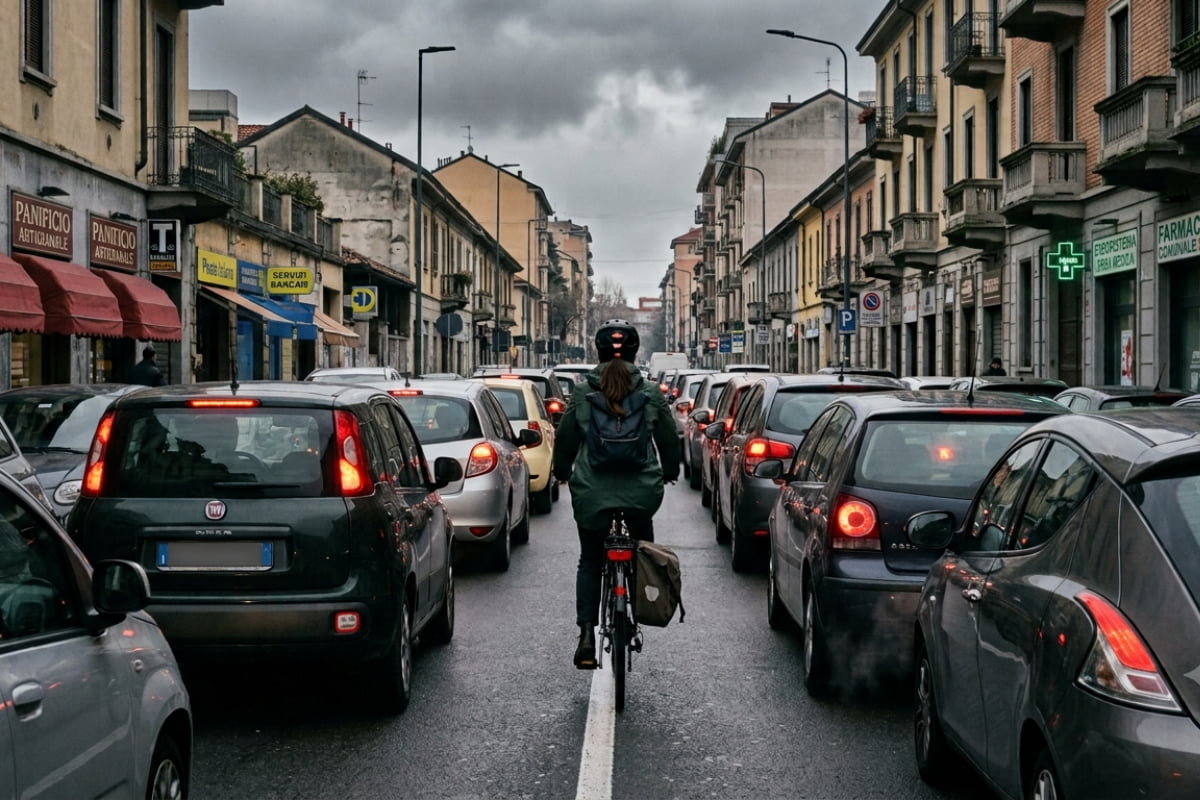
Cristina, a dedicated employee at Bikeitalia for over three years, embodies the aspirations of many who wish to swap their daily car commute for a bicycle ride. Living in Bollate, she embarked on a 15-kilometer journey to the office, a distance that, under optimal conditions, would take approximately 40 minutes by car. However, the reality of Milan’s northern suburbs presented a different scenario:
-
Traffic Congestion: Cristina found herself ensnared in a sea of vehicles, with a double-parked car exacerbating the gridlock.
-
Inadequate Cycling Infrastructure: The designated bike path, as suggested by Google Maps, was not only longer but also more convoluted than the direct car route. This detour was fraught with obstacles, including frequent intersections, traffic signals, and narrow passages, making the ride both time-consuming and perilous.
-
Safety Concerns: The absence of dedicated, protected bike lanes forced cyclists to share roads with fast-moving traffic, heightening the risk of accidents. Studies have shown that the lack of safe cycling infrastructure is a significant deterrent for potential cyclists. (frontiersin.org)
-
Limited Parking Facilities: At home, Cristina faced the dilemma of storing her bicycle securely. Despite regulations prohibiting vehicle parking in the courtyard, some residents left their cars there, leading to a lack of space for bike storage. This forced her to carry the bicycle up two flights of stairs to her apartment, a task that quickly became burdensome.
Broader Implications: The Systemic Barriers to Cycling Adoption
Cristina’s experience is not an isolated incident. A multitude of factors collectively discourage individuals from adopting cycling as a primary mode of commuting:
-
Environmental Barriers: Perceived and actual dangers, such as heavy traffic and air pollution, significantly impact the decision to cycle. A study highlighted that the presence of dedicated cycle routes or paths, separation of cycling from other traffic, and proximity to green spaces positively influence cycling rates. (frontiersin.org)
-
Physical Barriers: Long distances, steep inclines, and adverse weather conditions can make cycling an impractical choice for many. The 2023 Logan review identified weather extremes as a common barrier alongside infrastructure deficits. (thedandyhorse.com)
-
Social and Cultural Barriers: In some regions, cycling is not perceived as a mainstream mode of transport, leading to a lack of support and infrastructure. For instance, in Austin, Texas, 99% of commuters do not cycle to work, with safety concerns being a significant deterrent. (kut.org)
The Path Forward: Addressing the Challenges
To make cycling a viable and attractive commuting option, several measures are imperative:
-
Infrastructure Development: Cities must invest in dedicated, protected bike lanes that ensure safety and efficiency for cyclists. The expansion of bike lanes in response to growing demand is a testament to this need. (csmonitor.com)
-
Policy Interventions: Implementing incentives, such as tax breaks or subsidies for cycling equipment, can encourage more individuals to consider cycling. Additionally, integrating cycling-friendly policies into urban planning is crucial.
-
Community Engagement: Building a cycling culture through community events, education, and support networks can alleviate fears and misconceptions associated with cycling.
Conclusion: A Call to Action
While the benefits of cycling to work are well-documented, the barriers remain substantial. Cristina’s story serves as a microcosm of the systemic challenges faced by potential cyclists. Addressing these issues requires a concerted effort from policymakers, urban planners, and communities to create an environment where cycling is not only possible but also preferable. Only through such collective action can we hope to see a significant shift towards sustainable and healthy commuting practices.