
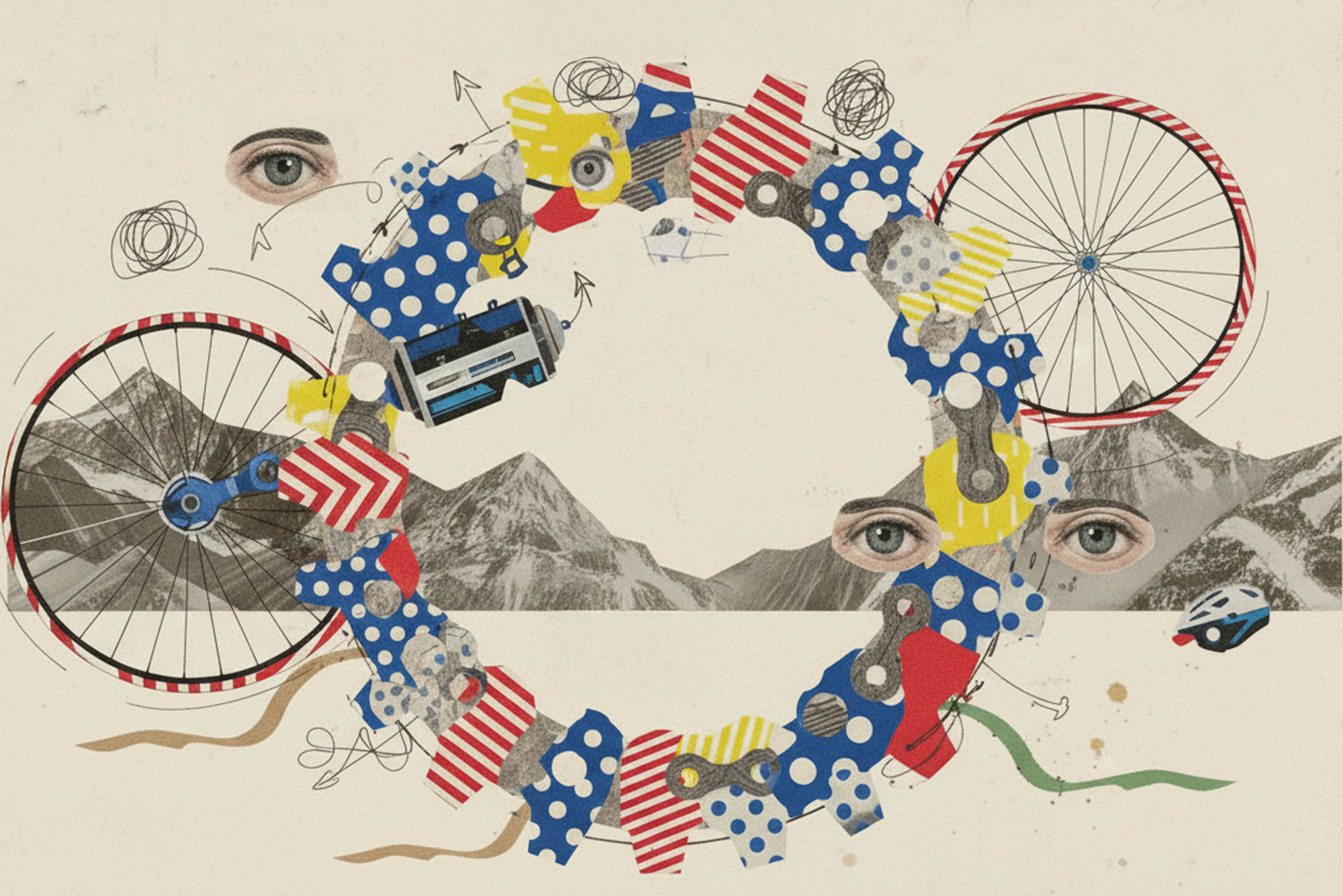
Brixen Papers #10: Defining Goals – Choosing Direction Before Acceleration. Action Required!
The cycling industry is at a pivotal crossroads. While innovation is abundant, a clear sense of direction remains elusive. The Brixen Papers #10 delves into this challenge, urging the industry to first define its path before accelerating forward. Change is inevitable; the question is whether we will actively shape it.
The Evolving Role of Cycling
Once a niche activity, cycling has now become integral to public health strategies, urban planning, and modern lifestyles. Its significance extends far beyond mere sport or leisure. This transformation necessitates a shift in industry mindset. Merely increasing innovation or technology isn’t sufficient. Unfocused growth may exacerbate existing challenges. What is required is a clear direction—and that demands strong leadership.
A Shift in Perspective
The pressing question has evolved. It’s no longer about the industry’s capacity for innovation—this has been demonstrated time and again. The real question is whether the industry is prepared to take responsibility for the future it is already shaping. Every product launched, every narrative crafted, every sales strategy employed, and every distribution decision made sets a direction, either intentionally or inadvertently. Choosing not to define goals is not neutrality; it’s abdication.
Choosing Direction Before Acceleration
The cycling industry faces a moment of choice. Industries that accelerate without a clear direction eventually lose credibility, trust, and influence. Conversely, those that choose direction before acceleration gain coherence—a powerful asset that enables growth that is not only larger but also better. Coherence fosters resilience, credibility, and the ability to lead decisively. A coherent industry can tolerate disagreement because it shares a common goal.
The Illusion of Powerlessness
Too often, the cycling industry operates as if the rules are fixed, playing the game while pretending it cannot change it. Regulation, public perception, and market pressure are treated as external constraints rather than outcomes shaped by our own choices. This is a convenient illusion. As an industry—and as riders—we have the power to change the rules. Manufacturers, retailers, media, associations, and platforms all have the capacity to influence the cycling culture. The question is not whether we have influence, but whether we are willing to use it together.
Establishing Our Position
Before seeking input from the community and the industry on desired goals, it’s imperative to have clarity about our own position. This isn’t about consensus or claiming final truth, but about presenting a clear, accountable stance. Asking questions without showing direction is not listening; it’s avoiding responsibility.
A Capable, Stable, and Intelligent Industry
We envision an industry capable of setting a clear direction and vision and, just as importantly, turning that vision into reality. Currently, many parts of the cycling industry are operating in survival mode: anxious, risk-averse, and focused on avoiding the next mistake rather than shaping the next step. In this state, decisions become reactive, priorities blur, and leadership gives way to caution. Panic not only slows progress but actively undermines the conditions required to build something better.
Growth with Responsibility
We believe in growth. But we do not believe in growth without responsibility. The pandemic years exposed a structural failure: sales exploded, but retention collapsed. The industry brought many people onto bikes and then failed to guide them. The result was predictable:
- Less skill
- Less confidence
- Less ambition
- Less accessibility
- Less community
- Less commitment
Not because people didn’t care, but because there was no system to support them. Our position is simple: If you guide people through the journey, outcomes improve. More confidence. More usage. More enjoyment. More progression. More long-term attachment to cycling and, yes, more sustainable value creation.
From Products to Responsibility
The cycling industry still thinks primarily in products. We believe it must start thinking in journeys. From first contact, to first ride, to learning, failing, improving, to belonging, identity, and ambition. No product can replace this journey. And no ecosystem builds itself. If you bring people into cycling, you are responsible for what happens next.
Realism Over Ideology
We believe the industry needs less moral posturing and more honesty. We are not against sustainability. We are against self-deception. Many riders drive to trailheads. Many products are premium, disposable, and driven by desire more than necessity. Many of us travel the world to ride bikes, increasing our carbon footprint in the process. Consumption alone will not save the world. Still, cycling has enormous value. Not because it is perfect, but because it makes people healthier, more confident, more connected, and happier. Our goal is not moral superiority. Our goal is to make cycling the most attractive and enjoyable way to move. The side effects like health, nature, mental well-being, community, and pushing limits are real. And they matter.
The Premium Bubble and the Obligation to Translate
We acknowledge a reality: as an industry, we live in a premium bubble. We ride the best bikes. We use the most expensive parts. We normalize what is inaccessible to many people. That creates responsibility. Innovation that never reaches accessible price points is not progress. It is insulation. If cycling is to grow, innovation must be translated downward and not just upward. That requires distribution channels and communication that can explain value, not just price. Selling through status alone is not a strategy. It is a dead end.
Distribution Must Evolve or Be Replaced
The traditional bike shop is no longer enough to reach new audiences. New riders do not wake up one day and decide to enter a bike shop they have never set foot in before. If we want to grow cycling, bikes must appear where new audiences already are:
- Schools and institutions
- New mobility contexts
- Partnerships outside the traditional bike world
- Yes, even car dealerships
This is not an attack on retailers. It’s a reality check. Competition in distribution is not cruelty. It’s the mechanism of improvement. Good systems will evolve and thrive. Bad systems will disappear. That is how industries mature.
What This Means for Us at 41
For us, this is not an abstract debate. We intend to initiate change, not just comment on it. To lead conversations that matter and push them toward action. We believe in collaboration with associations and institutions worldwide. And we recognize their limits when too many voices prevent decisive action. Many of the challenges facing cycling can no longer be solved at a purely regional level. What is missing is a global, cross-stakeholder perspective. That is where we see our role. This is where we stand. Not as a conclusion. But as a starting point. Now we ask.
Questions to the Community & Industry
As we embark on this journey, we invite the community and industry to reflect on the following:
- What is our shared vision for the future of cycling?
- How can we align our efforts to achieve this vision?
- What steps can we take collectively to ensure a sustainable and inclusive growth of the cycling industry?
Your insights and collaboration are crucial as we navigate this transformative period.
This article is part of the Brixen Bike Papers—a 41 Publishing initiative from our 2025 Think Tank in Brixen, created with the goal of building a better bike world. A series of essays diving into the uncomfortable truths, hidden opportunities, and real changes our industry needs.