
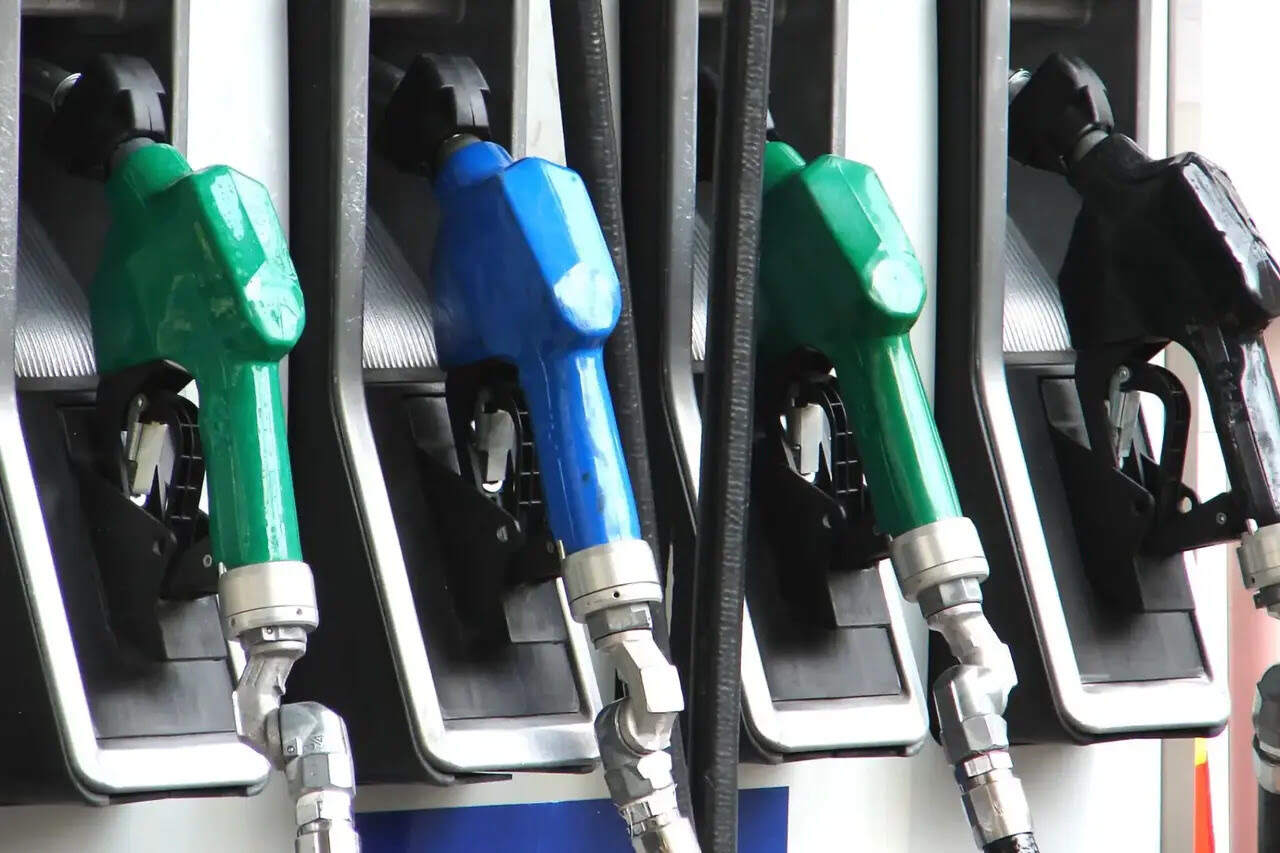
Fuel Price Relief in Italy: Government’s Financial Strategy Unveiled
In a significant move to alleviate the financial burden on Italian motorists, the government has announced a temporary reduction in fuel prices. This initiative, stemming from the recent Law Decree 33/2026, aims to provide immediate relief amidst soaring global oil prices.
Temporary Fuel Price Reduction
Effective immediately, Italian consumers will benefit from a €0.25 per litre discount on both petrol and diesel for the next 20 days. This measure is a direct response to the recent surge in oil prices, primarily driven by geopolitical tensions in the Middle East, notably the conflict between the USA and Iran and the subsequent blockade of the Strait of Hormuz.
Funding the Initiative
The government has allocated a total of €527.4 million to fund this temporary relief. However, these funds are not sourced from a hidden reserve but have been reallocated from other ministries. According to Annex 1 of the Law Decree, the funds have been redistributed as follows:
- Ministry of Infrastructure and Transport: €96.5 million
- Ministry of Health: €86 million
- Ministry of the Interior: €30 million
Implications for the Cycling Community
While the immediate relief is welcomed by many, it raises pertinent questions about Italy’s long-term transportation policies. The allocation of funds from essential sectors like health and infrastructure to subsidize fuel prices highlights a reactive approach to the crisis. This strategy contrasts sharply with proactive measures adopted by other European cities.
Cities such as Paris have significantly reduced car usage by enhancing cycling infrastructure, leading to improved air quality and reduced congestion. Similarly, London has witnessed a surge in cycling, with more cyclists than cars in certain central areas. Dublin has also experienced a 50% increase in daily cyclists over the past two years.
A Call for Sustainable Solutions
The Italian government’s decision to subsidize fuel prices, funded by diverting resources from critical sectors, underscores the need for a more sustainable and forward-thinking approach to transportation. Investing in alternative mobility solutions, such as cycling infrastructure, not only addresses immediate concerns but also contributes to long-term environmental and health benefits.
Conclusion
While the temporary fuel price reduction offers immediate relief to Italian motorists, it also serves as a catalyst for broader discussions on sustainable transportation policies. The focus should shift towards creating a balanced and forward-looking strategy that reduces dependency on fossil fuels and promotes healthier, more sustainable modes of transport.