
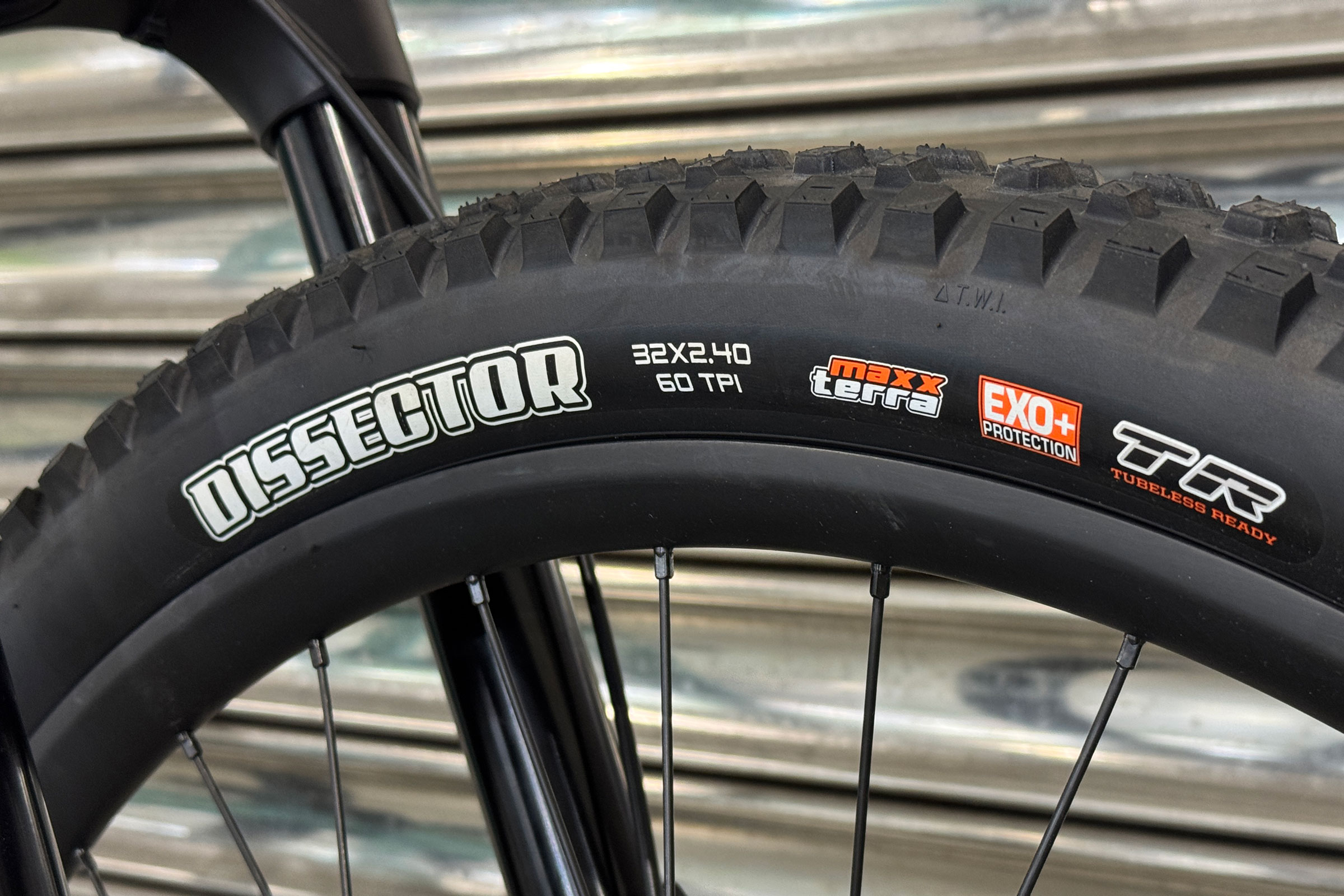
The cycling industry is witnessing a significant shift with the introduction of 32-inch wheels across various bike categories, including cross-country (XC), trail, gravel, and entry-level models. This development promises enhanced performance and versatility for riders seeking improved efficiency and comfort.
The Rise of 32-Inch Wheels
Traditionally, 29-inch wheels have been the standard for XC and trail bikes, offering a balance between speed and maneuverability. However, the emergence of 32-inch wheels is set to redefine this balance. Larger wheels provide better rollover capabilities, allowing riders to navigate obstacles more smoothly and maintain momentum over rough terrain. This advantage is particularly beneficial in XC racing and trail riding, where efficiency and speed are paramount.
Industry Adoption and Innovations
Leading tire manufacturers are embracing the 32-inch trend. Vittoria has unveiled a 32-inch version of its Peyote XC tire, designed to offer quicker, smoother, and more comfortable rides on gravel surfaces. Similarly, Schwalbe showcased a prototype 32-inch tire at the Velofollies bike show in Belgium, indicating a growing interest in this wheel size. (bikeradar.com)
Wheel manufacturers are also adapting to this shift. GW introduced a 32-inch XC wheelset featuring their new RCS hub system, emphasizing improved rollover characteristics and momentum retention. (gw-mfg.com)
Implications for Gravel and Entry-Level Bikes
The adoption of 32-inch wheels extends beyond XC and trail bikes, influencing the gravel bike segment. Larger wheels can enhance stability and comfort on mixed-terrain rides, appealing to gravel enthusiasts seeking improved performance. Entry-level bikes equipped with 32-inch wheels may offer a more comfortable and efficient riding experience, potentially attracting a broader audience to the sport.
Considerations and Future Outlook
While 32-inch wheels offer several advantages, they also present challenges. The increased wheel size may affect bike geometry, handling, and frame design. Additionally, the availability of compatible components and tires is still developing, which could impact the adoption rate among riders. As the industry continues to innovate, it’s anticipated that 32-inch wheels will become more prevalent, offering riders a new dimension of performance and comfort across various cycling disciplines.
In summary, the introduction of 32-inch wheels marks a significant evolution in cycling technology, promising enhanced performance and comfort for riders across XC, trail, gravel, and entry-level bike categories. As manufacturers continue to develop and refine this wheel size, it is poised to become a mainstream option in the cycling world.